It is 6:40am. You have a leash in one hand and a phone in the other, trying to confirm a last-minute cancellation, remember which client hides the key under the third planter, and figure out whether you can fit a new midday walk between the two you already booked. The walking is the easy part. The admin is what eats your evenings.
Most of the “best AI tools for dog walkers” lists you find when you search are written by the software companies themselves, or by affiliates earning a cut. AIToolsBakery is independent. We sell none of these tools and take no commission on them. That means we can tell you where a tool is genuinely worth the money and where you are paying for features a solo walker will never touch.
This guide is organized around the jobs you actually need done: booking and scheduling, client and pet records, route planning, client updates, getting paid, marketing, and reviews. We name real tools, link to their official sites, and give you the honest pricing and the catch.
The 30-second answer: A solo walker can run lean on one pet-care app (Time To Pet or Scout) for booking, GPS, and invoicing, plus a free AI chat tool for writing and Canva for social posts. Add a route planner only once you juggle five or more stops a day. Never paste client addresses or door codes into general AI tools.
Booking and recurring schedules
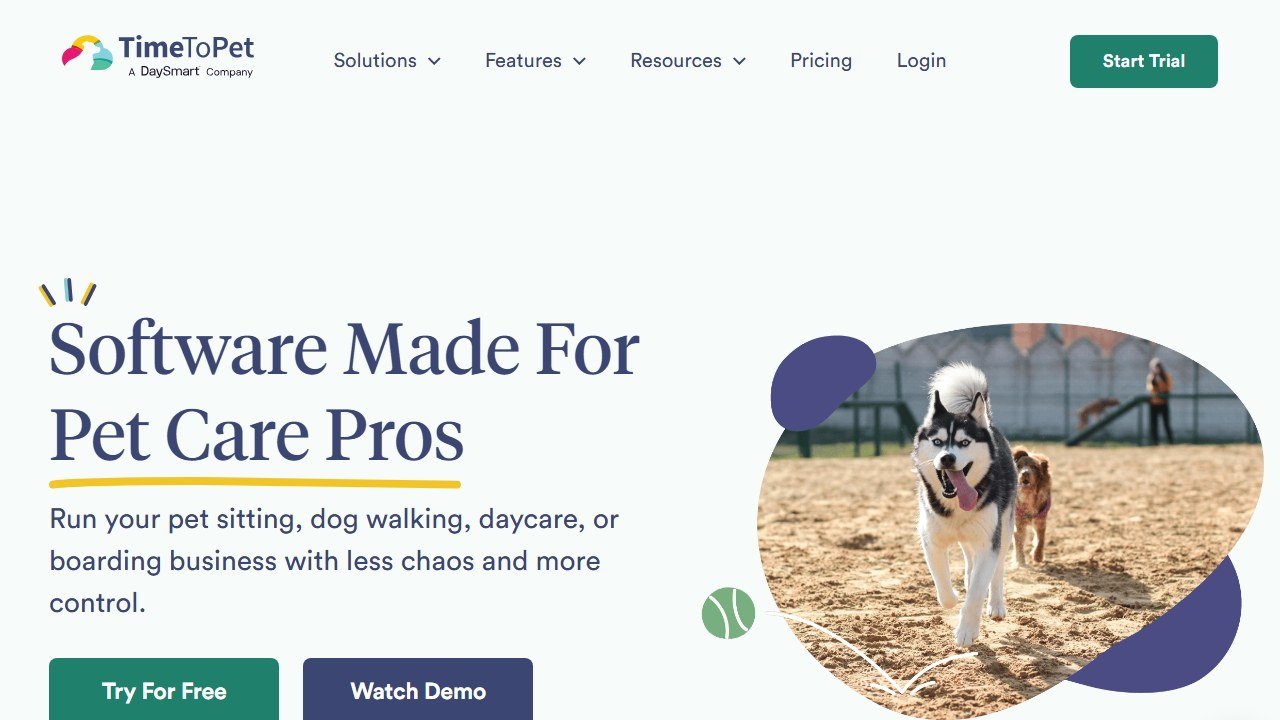
The single biggest time sink for walkers is scheduling, especially recurring bookings. The dedicated pet-care platforms exist precisely for this, and they are far better at it than a generic calendar.
Time To Pet is the most established name. It handles recurring walks, a client request-and-approval flow, a client portal, and team scheduling if you grow. Pricing starts around $50 per month for a solo provider, with a lighter plan near $25 per month. That is real money for a one-person operation, so it earns its place only once admin is genuinely stealing your time. The honest limitation: it is built for businesses, so the setup is heavier than a hobbyist needs.
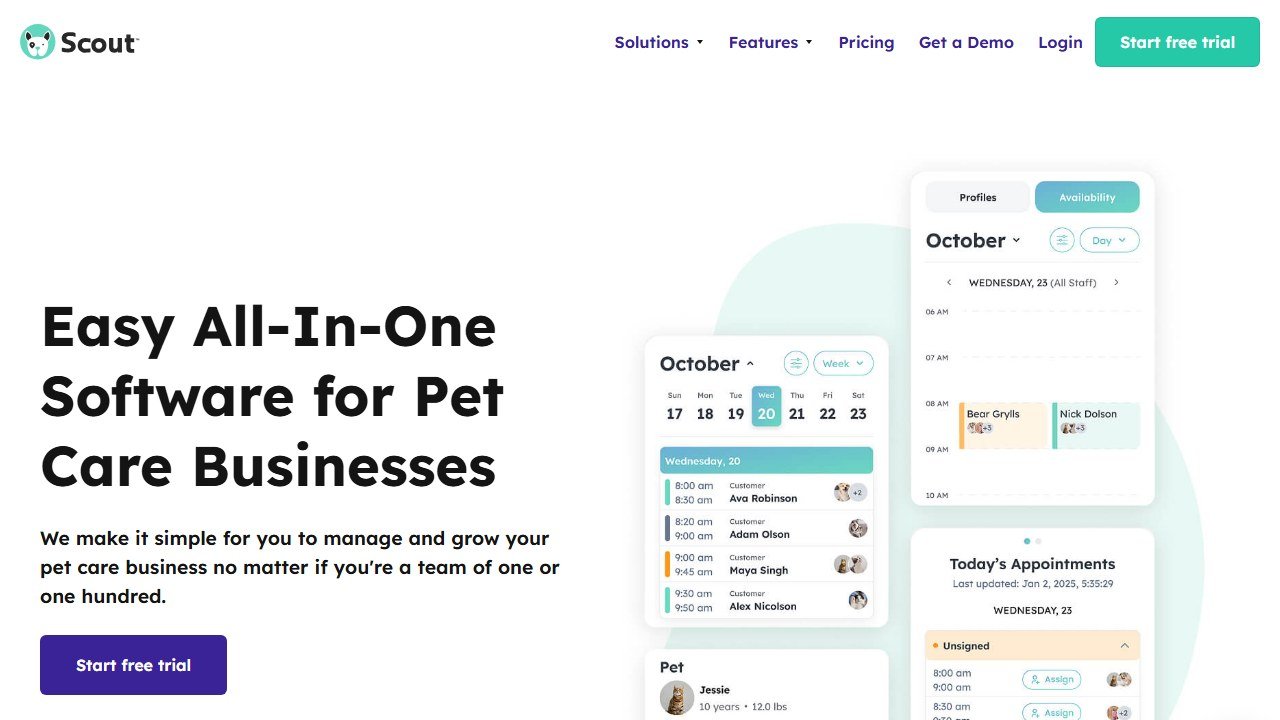
Scout is the modern challenger. It does the same core jobs (repeating appointments, automated billing, electronic service agreements, instant notifications) with a cleaner interface that newer walkers tend to find friendlier. Pricing is comparable and quote-based depending on staff count. If you are choosing between the two, book demos of both. The feature lists overlap heavily, so the deciding factor is usually which interface you will not resent at 6am.
Easy Busy Pets is a third option worth a look if you also do grooming, daycare, or training alongside walks. It bundles a CRM, scheduling, invoicing, and marketing into one platform, billed month to month. The trade-off with all-in-one tools is that the walking-specific features can feel less polished than a walking-first app.
Where does AI actually come in here? Be honest about it: the scheduling intelligence inside these apps is modest. They are excellent databases and automation engines, not crystal balls. The bigger AI lever for booking is using a chat tool to draft your cancellation policy, your intake questions, and your auto-reply templates once, cleanly, instead of rewriting them every time. Write the policy you will actually enforce, paste it into the platform’s settings, and let the automation send it. That one hour of setup saves you the same awkward conversation a hundred times over.
Client and pet records
Every walk depends on details: this dog is leash-reactive, that one cannot have other dogs nearby, this gate sticks, that owner wants the back door locked. Keeping this in your head does not scale, and keeping it in your phone notes is fragile.
The pet-care platforms above store structured pet and client profiles, which is the safe place for sensitive access details. A general AI assistant like ChatGPT or Claude is excellent for the surrounding work: turning your messy intake notes into a clean profile summary, drafting a new-client questionnaire, or writing a calm, professional message when a dog has a bad day on a walk.
The line matters, and we will say it plainly: keep the actual home addresses, alarm codes, and key locations inside your dedicated software, which is built to protect them. Do not paste them into a public AI chat box. More on that below.
Route planning and optimization
If you do back-to-back solo walks at one location, route planning barely matters. If you do pickups and drop-offs across a town, the order of your stops decides whether your day is calm or chaotic.
Google Maps is the free starting point. You can build a multi-stop route at no cost, but it caps at roughly ten stops and it does not reorder them for you. You drag stops around by hand to find a sensible sequence. For three or four stops that is fine.
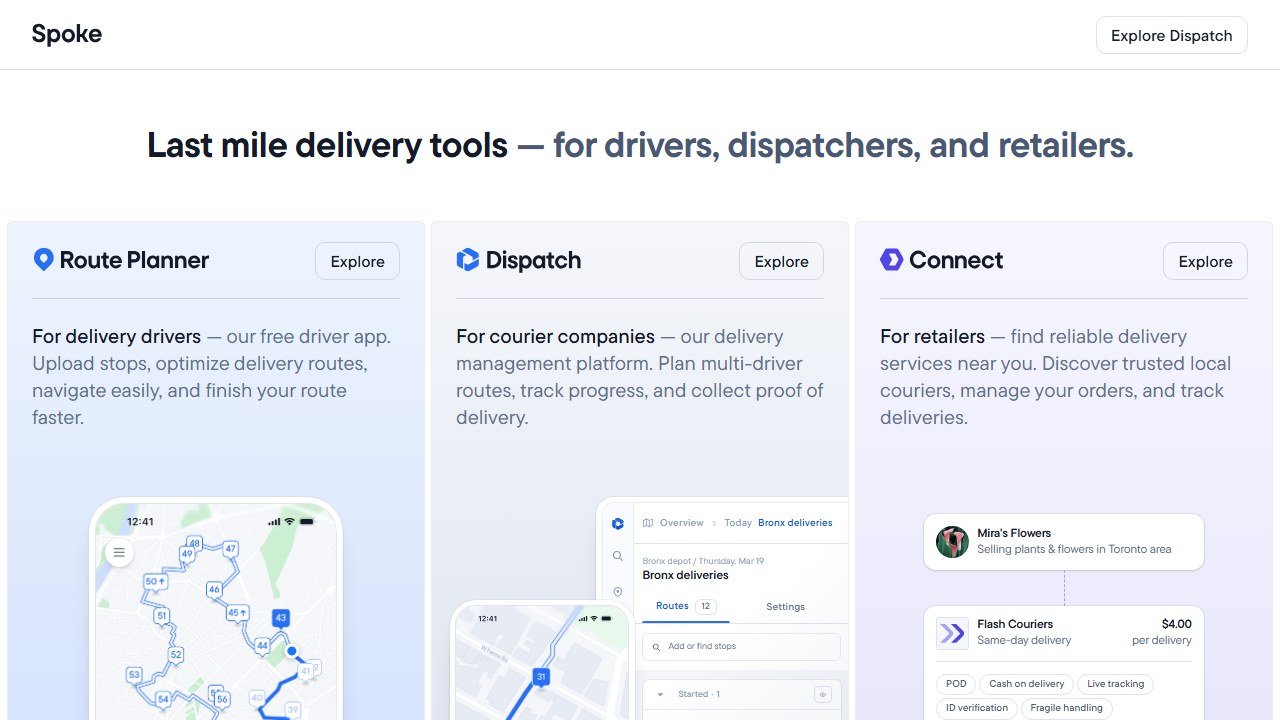
Once you regularly run five or more stops, a real route optimizer pays for itself in fuel and time. Circuit lets you enter up to ten stops free and automatically sequences them for the shortest route, with unlimited stops on the paid plan around $20 per month. It was built for delivery drivers, but a dog walker doing a packed pickup run benefits from the exact same math. The catch: it optimizes for driving efficiency, not for a dog’s needs, so override it when an anxious dog should always go first or last.
Automated client updates and report cards
The walk update is what turns a one-time client into a regular. A photo, a quick note, “Bella had a great 30 minutes and did her business twice,” is what owners pay for emotionally.
Time To Pet and Scout both generate GPS-tracked report cards with photos at the end of each visit, sent automatically. This is the feature most worth paying for, because it does the marketing for you without you typing a word. If you are not yet on a paid platform, an AI chat tool can help you write a short, warm update template you fill in by hand, so your messages stay consistent even when you are tired.
Invoicing and getting paid
Chasing payments is miserable and it is exactly the kind of repetitive task software should own.
Both Time To Pet and Scout include automated invoicing and online payments, and Time To Pet integrates with QuickBooks for the bookkeeping side. This is the strongest argument for the dedicated platforms over a patchwork of free tools: the booking, the walk record, and the invoice are the same record, so you are never reconciling three systems by hand.
If you are not ready for a full platform, a standalone invoicing tool like Wave offers free invoicing and accepts card payments for a per-transaction fee. AI helps here by drafting clear payment-reminder wording that is firm without being awkward, which is harder to write than it sounds.
Marketing and social content

Local visibility is how walkers fill their book, and consistent social posting is the cheapest way to get it. This is where general AI tools shine brightest for your business.
Canva is the workhorse. The free tier gives you 1.6 million-plus templates and roughly 50 AI credits a month, which is enough for a solo walker to post regularly. Canva Pro at around $13 per month adds brand kit, background removal, and more AI generations. For most walkers, free is genuinely enough to start.
For the words, ChatGPT (free tier available, paid plans from around $8 per month) and Claude (free tier, Pro around $17 per month) both draft captions, neighborhood-targeted posts, and a simple content calendar in seconds. The honest limitation: AI captions all sound the same out of the box. Feed it your real voice and a few of your best past posts so it stops sounding like a brochure.
Review generation
Reviews are the deciding factor for new clients picking a walker, and most happy clients simply forget to leave one. The fix is a polite, well-timed ask.
You do not need a dedicated review tool to start. The pet-care platforms can trigger an automated message after a milestone, and an AI chat tool will write you a short, genuine review request that does not feel pushy. The trick is timing it right after a great walk or a glowing message from the client, then linking straight to your Google Business Profile so leaving the review takes ten seconds. Ask AI for three or four variations so the request does not read like the same template every regular client has already seen. And always personalize the opening line with the dog’s name. A request that mentions Bella by name converts far better than a generic “thanks for your business,” because it proves a real person, not a bot, is asking.
A note on privacy you cannot skip
This profession holds the keys to people’s homes, literally. That makes data privacy a safety issue, not a technical footnote.
Do not paste client home addresses, alarm codes, gate combinations, key-hiding spots, or schedules of when a house is empty into general AI chat tools like ChatGPT or Claude. Anything you type into a public AI box may be retained or used to improve models depending on the plan and settings. A leaked list of empty homes and their access codes is a real-world burglary risk for your clients.
Keep all of that inside your dedicated pet-care platform, which encrypts it and is built for the job. When you use a general AI tool, strip out the identifying details first. Say “a reactive dog in the north neighborhood,” not the family name and street number.
How AI tools for dog walkers compare
| Tool | What it does | Best for | Free tier |
|---|---|---|---|
| Time To Pet | Scheduling, GPS report cards, invoicing | Established walkers ready to systemize | No, from ~$25/mo |
| Scout | Booking, billing, agreements, notifications | Newer walkers wanting a clean interface | No, quote-based |
| Easy Busy Pets | All-in-one for walking plus grooming/daycare | Mixed pet-care businesses | No, demo first |
| Circuit | Multi-stop route optimization | Walkers with 5+ stops a day | Yes, up to 10 stops |
| Google Maps | Basic multi-stop routes | A handful of stops, free | Yes |
| Canva | Social graphics and flyers | Marketing and local visibility | Yes, generous |
| ChatGPT | Captions, templates, intake drafts | Day-to-day writing | Yes |
| Claude | Longer drafts, policy and email writing | Careful, longer-form writing | Yes |
A lean starter stack
You do not need all of the above. Here is what we would actually buy, in order.
- Start free: Google Maps for routes, Canva free for posts, and a free AI chat tool (ChatGPT or Claude) for writing. This costs nothing and covers a small book.
- Add one pet-care platform (Time To Pet or Scout) the month admin starts eating more time than the subscription costs. This is your single biggest upgrade: it merges booking, GPS report cards, and invoicing into one record.
- Add Circuit (around $20 per month) only once you run five or more stops a day and route order genuinely affects your schedule.
- Add Canva Pro (around $13 per month) only if free runs out of AI credits or you want a locked brand kit.
That is it. A solo walker can run a clean, professional operation on one paid platform plus free tools, and many do.
If you work adjacent corners of pet care, the same logic applies in our guides for pet sitters, dog trainers, pet groomers, and veterinary practices, since the tools and trade-offs overlap heavily.
What AI still cannot do for a dog walker
AI can write your captions, sequence your stops, and send your invoices. It cannot do the actual job.
It cannot read a dog’s body language and know that the relaxed-looking Lab is about to lunge at a passing cyclist. It cannot feel a leash go tight and ease the tension before it becomes a problem. It cannot notice that a normally bouncy dog is moving stiffly today and flag it to the owner, the kind of early catch that earns lifelong trust. It cannot make the judgment call to cut a walk short when the pavement is too hot, or to carry a frightened small dog past a construction site.
It cannot be the reassuring presence a nervous rescue dog has learned to trust. It cannot build the relationship with the owner that turns a transaction into a referral. And it cannot be held responsible for an animal’s safety. That responsibility is yours, on every walk, and no tool changes that.
Use AI to clear the admin off your plate. Then go do the part only a human can: keep walking.

Written by
FazFaz is the founder of AIToolsBakery. Some tools here are tested hands on. Others are assessed from vendor documentation and pricing verified on the live page, and every review says which one it is. Sponsors can buy a position in a guide. They cannot buy the score, the criticism, or silence about a better option.
How we test and how we make money →