A meal plan that does not account for how you actually train is just a diet. The best AI meal plan generators for fitness goals do something different: they take your macro targets, your training schedule, and your food preferences and produce a practical weekly plan you can actually follow. The difference between these apps and generic calorie counters is specificity, and increasingly, the ability to adapt when your targets change as you make progress.
MacroFactor is the best AI meal planner for fitness goals because it adapts your targets based on real results. Eat This Much is the best for generating complete meal plans to a specific macro target. PlateJoy is the practical choice for families who want cookable, shopped-for meals. All seven options are covered below.
What Separates Fitness-Focused Meal Planning from Generic Diet Apps
Generic meal plan apps optimize for simplicity. Fitness-focused ones optimize for performance. The key differences: support for high protein targets (150g+ per day is normal for muscle-building), caloric flexibility between training and rest days, adaptability as your metabolism responds to your plan, and integration with the workout apps you already use. This roundup focuses specifically on how well each app serves someone with an active fitness goal, not just general healthy eating.
The 7 Best AI Meal Plan Generators for Fitness Goals
1. MacroFactor: Best for Athletes Who Want Adaptive Targets
| Category | Details |
|---|---|
| Best for | Intermediate to advanced athletes with specific macro and body composition goals |
| Free plan | 2-week trial |
| Starting price | $11.99/month or $71.99/year |
| Adaptive targets | Yes: weekly adjustment based on weigh-ins and intake data |
| Meal planning | Tracking-based (log against targets); no auto-generated meal plans |
MacroFactor is not a meal plan generator in the traditional sense. It does not produce a weekly plan of specific meals. What it does is more useful for serious athletes: it tracks your actual intake and weekly body weight, calculates your real metabolic rate from that data, and adjusts your macro targets to keep you on track toward your goal. This matters because a calorie target that worked for you at week 4 may be producing different results at week 12 as your metabolism adapts. MacroFactor catches and corrects for that automatically.
For athletes who are comfortable choosing their own meals and want the tracking and adjustment layer to be handled intelligently, MacroFactor is the most powerful option on this list. For anyone who wants the app to also decide what to eat, pair it with Eat This Much.
- Best adaptive algorithm on the market for macro target adjustment
- Curated food database with better accuracy than user-submitted databases
- Weekly coaching summaries explain every target change in plain language
- Excellent for cut, bulk, recomp, and maintenance phases
- Does not generate meal plans: you choose your own meals
- No free ongoing tier after trial
2. Eat This Much: Best for Automated Macro-Matched Meal Plans
| Category | Details |
|---|---|
| Best for | People who want a complete weekly meal plan generated to exact macro targets |
| Free plan | Yes (limited to 1 day at a time) |
| Starting price | $8.99/month or $59.99/year (Premium) |
| Adaptive targets | No: you set targets, app fills meals |
| Meal planning | Full automated weekly plan generation |
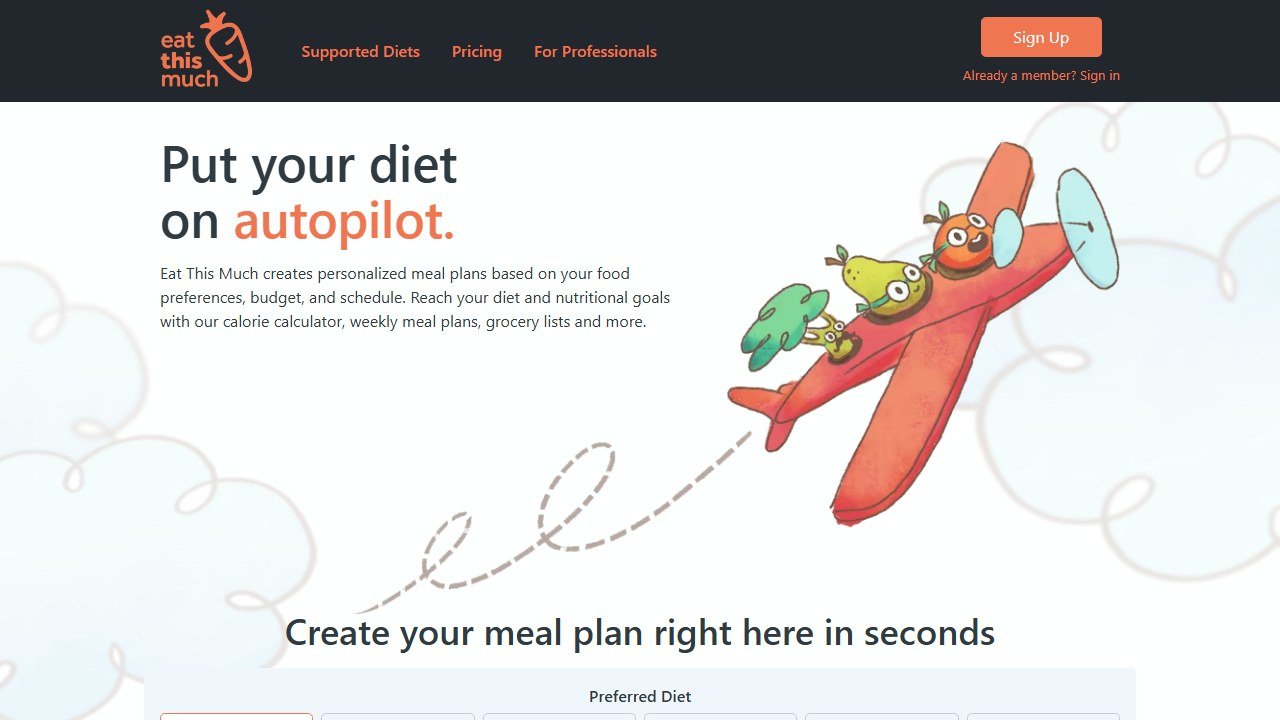
Eat This Much does one thing exceptionally well: you enter your calorie and macro targets, choose your dietary preferences and restrictions, and the app generates a complete day or week of meals that hit those exact numbers. Refresh any meal you do not want. It regenerates one that still fits your remaining macros. The grocery list is built automatically from the selected meals.
For high-protein fitness eating, Eat This Much handles targets like 180g of protein per day without defaulting to boring meal combinations. The recipe database covers a variety of cuisines and prep styles. The free tier generates one day at a time, which is sufficient for testing. Premium unlocks full weekly planning, custom recipe support, and more detailed targeting. For the price, it is the most powerful pure meal-plan generator on this list.
- Best automated meal plan generation at specific macro targets
- Handles high protein requirements better than most apps
- Regenerate any single meal with one tap without breaking the day’s macros
- Auto-generated grocery lists
- No adaptive target adjustment: requires you to update goals manually
- Recipe quality varies; some combinations are nutritionally correct but not particularly appetizing
3. PlateJoy: Best for Practical Family-Friendly Meal Planning
| Category | Details |
|---|---|
| Best for | Families and couples where fitness eating needs to fit practical household cooking |
| Free plan | 10-day trial |
| Starting price | $69/year or $12.99/month |
| Adaptive targets | No |
| Meal planning | Full weekly plan with smart grocery lists |
PlateJoy is built around practicality. It plans for your full household, accounts for different preferences per family member, generates a consolidated grocery list, and estimates prep time for each meal. The onboarding is thorough: it asks about time constraints, kitchen equipment, and cooking skill level before generating its first plan.
For solo athletes with aggressive macro targets, PlateJoy is less specialized than Eat This Much. Where it wins is the household coordination layer. If you are meal prepping for yourself and a partner who has different preferences, PlateJoy handles that complexity better than any other app on this list.
- Best multi-person household meal planning
- Strong grocery list organization by store section
- Prep time estimates are realistic and consistently accurate
- Less precise macro targeting than Eat This Much
- Higher price point for what solo athletes need
4. Cronometer: Best for Micronutrient-Aware Fitness Eating
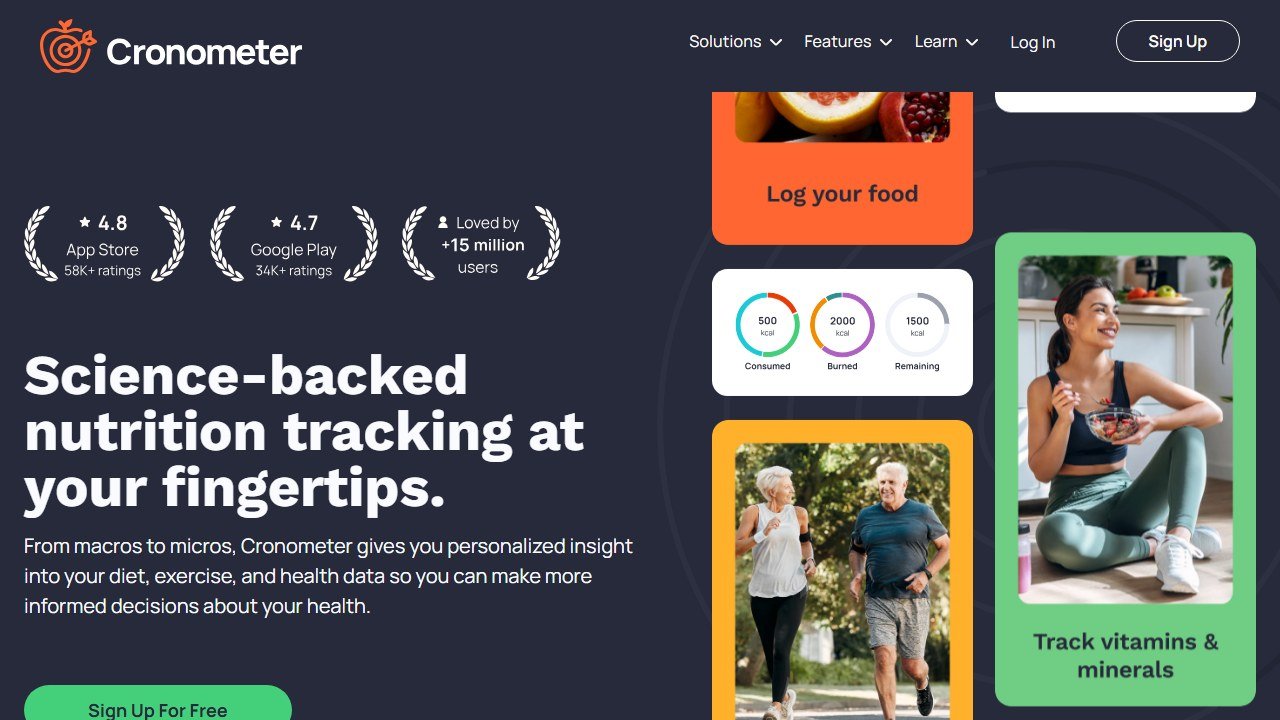
Cronometer tracks your intake against macro targets and gives you a complete micronutrient breakdown alongside. For athletes who train hard and want to know whether they are hitting their vitamin D, magnesium, and zinc targets (not just protein), Cronometer surfaces that data clearly. The free tier is genuinely useful. Pair it with your own meal prep routine for detailed nutritional visibility without needing to follow a prescribed plan. Full details in our AI macro tracker apps roundup.
5. Meal Mentor: Best for Plant-Based Athletes
| Category | Details |
|---|---|
| Best for | Plant-based eaters who want structured whole-food meal plans with cooking guidance |
| Free plan | No |
| Starting price | $9/month |
| Adaptive targets | No |
| Meal planning | Weekly structured plans with video cooking guides |
Meal Mentor by Jeff Novick RD is built around whole-food, plant-based eating with a focus on batch cooking and simple preparation. The weekly meal plans come with short video cooking guides. For plant-based athletes building muscle, hitting protein targets without meat requires deliberate planning, and Meal Mentor’s plans are designed with that constraint in mind. The AI adaptivity is minimal compared to MacroFactor or Eat This Much, but the cooking guidance and whole-food focus are the strongest on this list for its target audience.
- Video cooking guides make the plans genuinely executable
- Plant-based protein sources handled correctly, not as an afterthought
- Most affordable monthly subscription on this list
- Limited macro customization compared to dedicated tracking apps
- Only suits plant-based or plant-curious eaters
6. Mealime: Best for Busy Athletes Who Need 30-Minute Meals
Mealime optimizes for speed. Every recipe on the platform takes 30 minutes or less to prepare. The smart grocery list condenses ingredients across the week so you shop once efficiently. The free plan covers basic meal planning with a limited recipe library. The Pro plan adds more recipes, nutritional details, and customization. For athletes who want fitness meals that do not require an hour in the kitchen, Mealime’s constraint-based approach is practical and well-executed.
7. Lifesum: Best Introduction for Fitness Beginners
Lifesum sits at the beginning of the fitness nutrition journey. The plan-based approach (Mediterranean, high-protein, keto, balanced) provides helpful structure for people who are not yet comfortable managing macros manually. The visual food rating system shows how each meal fits your day. As a starting point for building consistent healthy eating habits, it is approachable and well-designed. For athletes with specific body composition goals, move to MacroFactor or Eat This Much once you have the tracking habit established.
How to Choose
If your goal is muscle building or fat loss with precision tracking: start with MacroFactor. If you want the app to generate complete meal plans: use Eat This Much. If you cook for a household: use PlateJoy. If you care about micronutrients: use Cronometer. If you eat plant-based: use Meal Mentor. If you have 30 minutes to cook: use Mealime.
For the full picture of nutrition tracking tools, see our guide to the best AI macro tracker apps and our roundup of the best AI workout apps to pair with your nutrition plan.
The 2026 macro accuracy reality
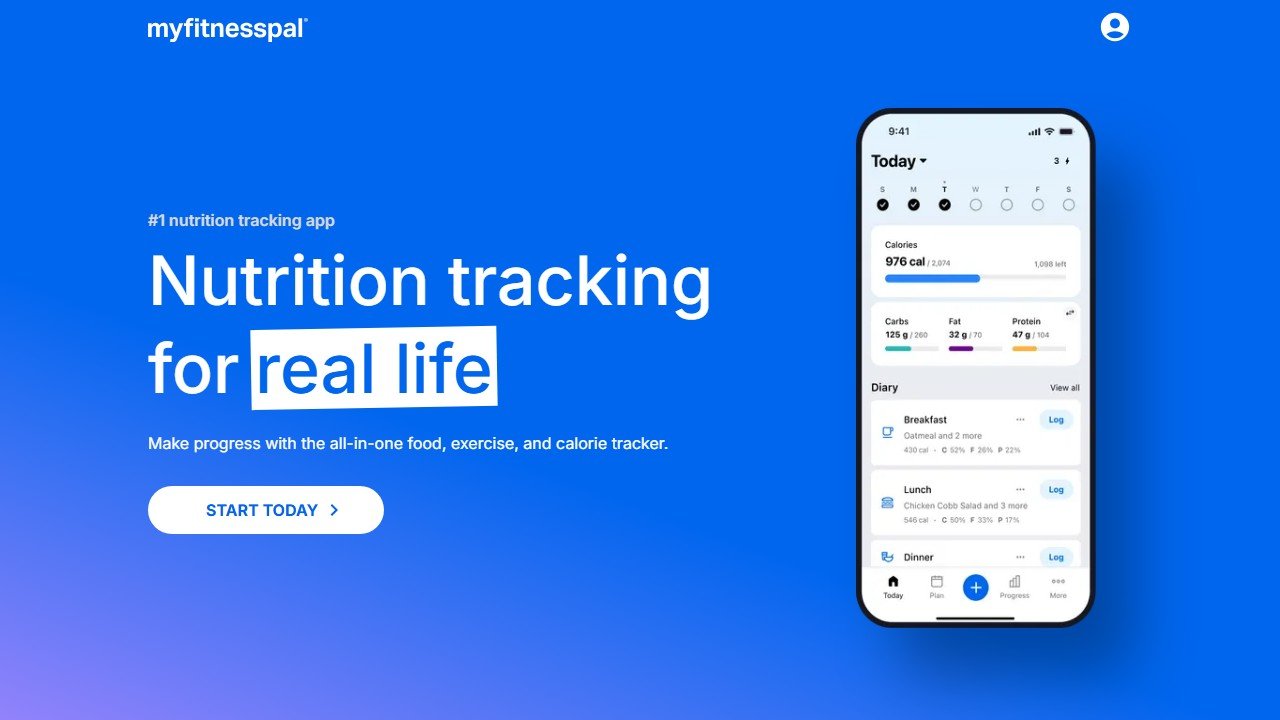
AI meal plan generators in 2026 produce plans that hit target macros within 5 to 10 percent of the requested values, which is well within margin of error for normal fitness goals. The accuracy depends on the underlying food database; tools that draw from MyFitnessPal or Cronometer’s databases are more accurate than tools using proprietary databases. Plans that include packaged foods are more accurate than plans that include lots of home cooked dishes (where ingredient measurements vary by recipe).
For competitive bodybuilders, fighters making weight, or athletes with specific physique deadlines, this 5 to 10 percent error matters. Those users should track foods manually with a kitchen scale and treat AI-generated plans as templates to refine. For the general fitness population pursuing fat loss or muscle gain, the accuracy is more than sufficient.
Common AI meal plan mistakes to avoid
Three common mistakes wreck AI meal plan results. Mistake one: setting unrealistic calorie targets. The plan will produce them, but adherence collapses. Set targets at moderate deficits or surpluses (250 to 500 calories) rather than aggressive ones. Mistake two: ignoring dietary preferences. The plan can produce excellent meals you will not eat, which means zero adherence. Configure preferences honestly. Mistake three: skipping the grocery list integration. AI meal plans only work if you actually shop the plan. Tools that integrate with Instacart or generate downloadable grocery lists produce 2 to 3 times the adherence of plans without that step.
Where a fitness app should stop and a professional should start
This category sits close to health advice without being health care, and the distinction matters for the reader rather than for the vendor.
Nutrition tools estimate, they do not measure
Calorie and macro figures from photo recognition or database lookup carry meaningful error, both in portion estimation and in the underlying food data. That is fine for tracking a trend over weeks, which is what most people need. It is not fine as a basis for aggressive restriction, and anyone with a history of disordered eating should be pointed away from precise daily tracking rather than towards a better tracker.
Wearable recovery scores are directional, not diagnostic
Sleep staging, readiness and recovery metrics from consumer wearables are useful for spotting your own patterns over time and unreliable as absolute measurements on any given night. Use them to notice a fortnight of poor sleep. Do not use them to decide whether a symptom needs attention, and be wary of any app that encourages that reading.
Anything involving pain, pregnancy, injury or a medical condition needs a human
Postpartum training, rehabilitation, cardiac conditions, hypermobility, pregnancy and any current injury all need individual clinical assessment. An app can support a programme a professional has designed, and it cannot design one safely from a questionnaire. The good tools in these areas say so plainly on their own marketing; treat the ones that do not as a warning.
What a coach should check before recommending anything
Whether the app claims to diagnose or treat, what it does with health data, and whether it has any mechanism for escalating a red flag. If a client tells the app about chest pain during exercise, what happens? Most consumer tools have no answer to that, which is exactly why the coach relationship is the safety layer rather than the software.
How consumer fitness apps are priced, and why the figures are hard to pin down
Consumer training apps behave differently from coaching platforms, and it makes them genuinely harder to compare honestly.
Most of them price through the app stores
We attempted to read pricing pages for several of the best known consumer apps on 4 September 2026, including Fitbod, Dr. Muscle, Hevy, Whoop and Oura, and could not extract a rate from any of them with the same method that read every coaching platform above. That is largely because subscriptions are sold inside the app rather than on the web, so the price you see depends on your store, your region and sometimes your device. We will not quote a figure we could not source.
What that means for any price you read elsewhere
Treat every specific consumer app price on the internet, including in comparison articles, as unverified unless it names a date and a source. Store pricing also changes by country and moves with local currency, so a figure that was right in one market can be wrong in yours by a wide margin. The reliable move is to open the app store listing on your own device before deciding.
The one that does publish clearly
JuggernautAI publishes on the web: $34.99 a month or $349.99 a year, with a two week free trial, which works out at roughly two months free on the annual plan. That is at the premium end of consumer training apps and it is aimed at serious strength athletes rather than general fitness, which is the honest framing for whether it is expensive.
Free trials in this category are short and auto-renewing
Two week and one month trials are the norm and almost all of them convert automatically. If you are testing several apps, note the conversion dates somewhere other than the app itself. This is mundane advice and it is the single most common way people end up paying for three training apps they stopped opening in February.
The verdict for 2026 meal plan generator buyers
For most fitness goals, Eat This Much and MyFitnessPal Premium produce credible AI-generated meal plans at affordable subscription prices. For competitive bodybuilding or specific athletic deadlines, augment AI meal plans with a registered dietitian for periodization and macro fine-tuning. The AI generators handle the daily logistics; the dietitians handle the strategy. Treating AI as a substitute for clinical sports nutrition is the most common mistake; treating it as the daily implementation layer is the most common win.

Written by
FazFaz is the founder of AIToolsBakery. Some tools here are tested hands on. Others are assessed from vendor documentation and pricing verified on the live page, and every review says which one it is. Sponsors can buy a position in a guide. They cannot buy the score, the criticism, or silence about a better option.
How we test and how we make money →