Google's AI Mode answers a search with a generated response, citing a handful of sources, and the rest of the blue links go unseen. If your traditional rank tracker says you rank third, that no longer tells you whether anyone saw you. A new category of tool exists to answer the question that now matters: are you cited inside the AI answer, or not?
The tools at a glance
The table below sums up where each tool sits. Prices are entry-level monthly figures as of mid-2026 and move often, so confirm on the vendor's own pricing page before committing.
| Tool | Type | Engines covered | Pricing note |
|---|---|---|---|
| Rankscale | Dedicated AI tracker | 17+ engines incl. Google AI Mode | From ~$20/mo, credit-based; no add-ons |
| Rankability | Dedicated AI tracker + optimization | Google AI Mode focus, citation data | Mid-market; bundled with content tools |
| Cognizo | Dedicated AI tracker + optimization | AI Mode, ChatGPT, Gemini, Perplexity | Scales startup to enterprise; custom for large teams |
| AIclicks | Dedicated AI tracker | AI Mode, AI Overviews, ChatGPT, Perplexity | From ~$39/mo promo (~$79 standard); strong value |
| Semrush AI Visibility Toolkit | SEO suite module | ChatGPT, Gemini, Perplexity, AI Overviews, AI Mode | ~$99/mo standalone, or in Semrush One bundles |
| Ahrefs Brand Radar | SEO suite module | 6 platforms incl. Google AI Mode | Per-platform AI index add-on on top of a paid Ahrefs plan; enterprise-priced |
| SE Ranking (SE Visible) | SEO suite module | AI Mode monitoring in rank tracker | Modest monthly fee, gentler than the giants |
| Nightwatch | SEO suite module | AI Mode monitoring in rank tracker | Modest monthly fee |
| Otterly.AI | Cross-platform AI visibility | ChatGPT, AI Overviews, Perplexity, Copilot; AI Mode + Gemini as add-ons | From ~$29/mo; AI Mode costs extra |
| Peec AI | Cross-platform AI visibility | AI Mode + multiple engines | Agency-oriented pricing |
| Scrunch AI | Cross-platform AI visibility | ChatGPT + all major LLMs incl. AI Mode | From ~$100/mo (ChatGPT only) to ~$500/mo (all engines) |
| Profound | Cross-platform AI visibility | AI Mode, ChatGPT, Perplexity, Copilot, more | Enterprise-priced; deep answer analytics |
Every "best AI Mode SEO checking tools" list currently on the first page is published by a company selling one of the tools, and each puts its own product at number one. AIToolsBakery sells none of them. So before the list, here is the part the vendor posts skip: what these tools actually measure, and how to tell a real one from a rank tracker with "AI" added to the name.
The 30-second answer: AI Mode checking tools fall into three groups: dedicated AI Mode rank trackers (Rankability, Rankscale, Cognizo, AIclicks), established SEO suites with AI Mode modules (Semrush, Ahrefs, SE Ranking, Nightwatch), and cross-platform visibility trackers covering AI Mode alongside ChatGPT and Perplexity (Otterly.AI, Peec AI, Scrunch AI, Profound). Pick by which engines you need covered and whether you want a standalone tool or a module.
First: what "AI Mode SEO checking" actually measures
A traditional rank tracker reports one number: your position for a keyword. AI Mode checking is not one number, and a tool that pretends it is should be treated with suspicion. Four distinct things are worth measuring, and the better tools are explicit about which they do:
- Appearance rate: how often AI Mode generates an answer for your target queries at all, and how often your site is involved.
- Citation frequency: how often you are actually cited as a source in those answers. This is the closest equivalent to "ranking."
- Cited-URL capture: which specific page of yours gets cited, which is what you optimize against.
- Competitor share of voice: who else is being cited for your queries, and how your citation share compares.
A tool that reports only "you appeared" is thin. A tool that breaks out citation frequency, the exact cited URL, and competitor share is doing the real job. Use those four as your scorecard while reading any vendor's feature list.
There is a deeper distinction underneath those four, and it is the one most vendor lists blur: rank tracking versus citation tracking. Rank tracking tells you where you sit in the AI answer's ordered sources. Citation tracking tells you whether the synthesized answer is genuinely pulling sentences from your page and naming you as the source. They are different measurements with different strategic weight. A tool that only reports a rank position inside AI Mode is telling you less than one that shows you exactly which of your paragraphs the model lifted. Ask which one a tool does before you pay.
Two more measurements separate a serious AI Mode tracker from a basic one. The first is sentiment: AI Mode does not just cite you, it describes you, and whether the description is positive, neutral, or quietly damning is part of your visibility. A citation that frames you as the expensive option is not the same win as one that frames you as the trusted default. The second is prompt discovery: AI Mode answers fan out into follow-up questions and related sub-queries, so the best tools suggest the actual conversational prompts worth tracking rather than making you guess a keyword list. If a tool offers neither, you are looking at a rank tracker with a new label.
One thing none of these tools measures well yet is traffic attribution. Knowing you were cited in an AI Mode answer is not the same as knowing how many people clicked through, and AI Mode click data in Google Search Console remains coarse. Treat AI Mode checking tools as visibility instruments, not analytics. They tell you whether you are in the answer. Your own analytics, cross-referenced loosely, tell you whether it moved anything.
Group one: dedicated AI Mode rank trackers
These are built specifically for AI search, and if AI Mode is your single priority, a focused tool tends to report it in the most detail.
Rankability
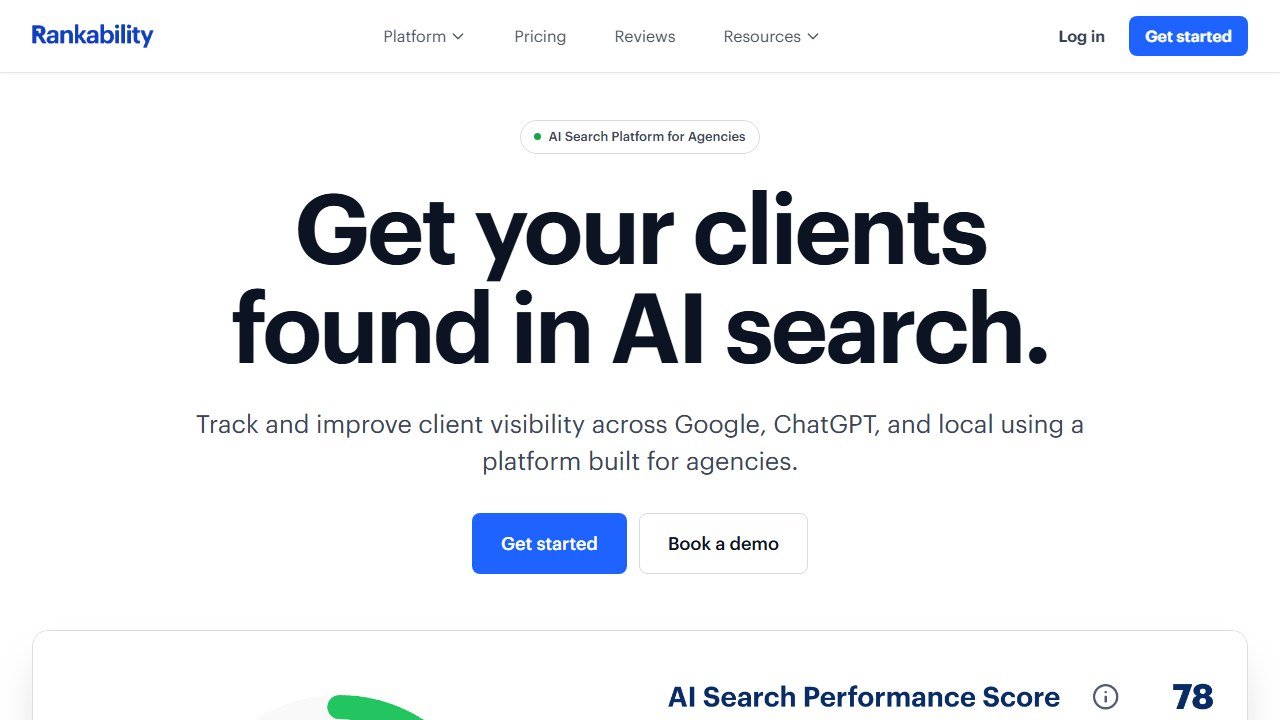
Rankability offers a dedicated Google AI Mode rank tracker as part of its content-optimization platform. It reports rankings, the sources cited inside the answer, and citation data, and it ties that back to on-page recommendations, which is useful if you want monitoring and a fix-it workflow in the same place rather than just a dashboard of bad news.
Rankscale
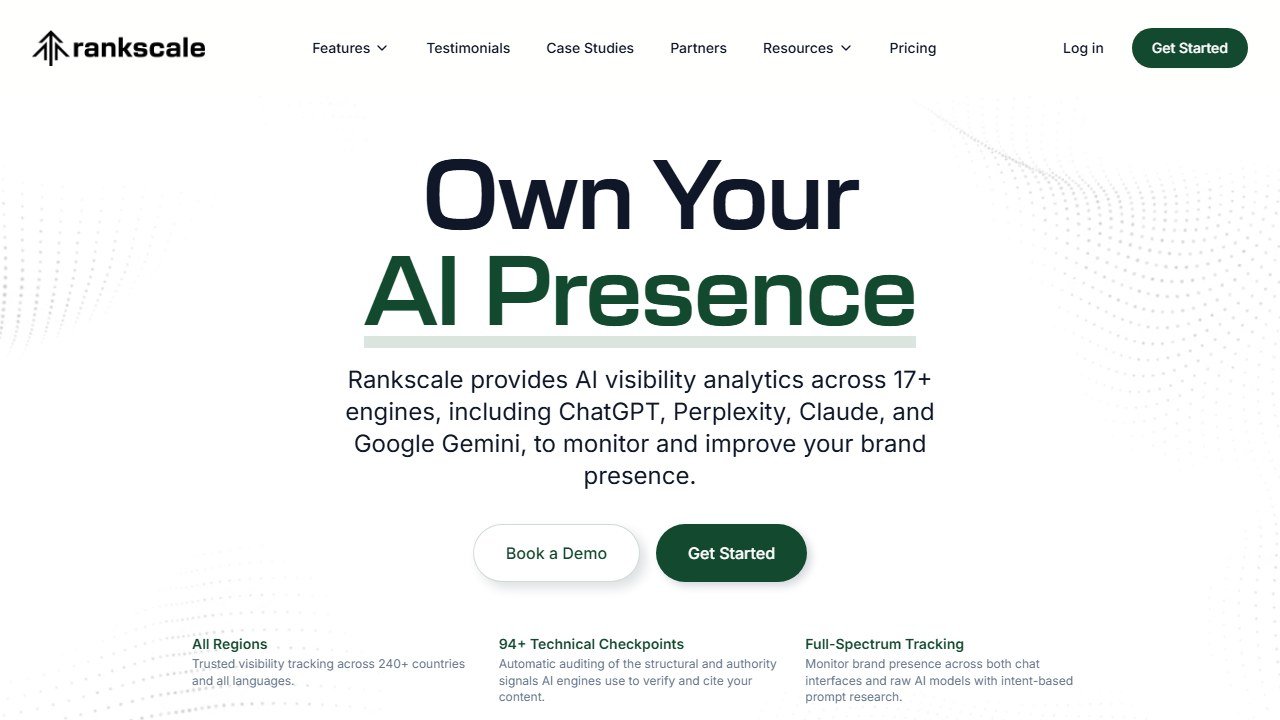
Rankscale is the value pick of this group. It tracks 17 or more AI engines, Google AI Mode included, from an entry plan around $20 per month, with no surface locked behind add-ons. Rankscale runs on a credit model: each query against an engine costs a fraction of a credit, so a small site tracking a handful of prompts weekly stays cheap, while the next tier up near $99 per month gives roughly ten times the prompt capacity for teams tracking more. Its query fan-out feature surfaces the specific prompts that trigger your brand, which is exactly the prompt-discovery work the category needs. It is genuinely accessible for a solo operator or small business, which most of this category is not.
Cognizo
Cognizo is the pick when you want tracking and the fix in one place. It monitors AI Mode alongside ChatGPT, Gemini and Perplexity, records citations and source URLs, refreshes daily, and pairs that with content-optimization guidance so the gap it finds comes with a brief for closing it. Pricing scales by the number of engines monitored and the volume of prompts tracked, from high-growth startups up to custom enterprise plans, so it sits a tier above the value tools but earns it if you want one platform doing both jobs.
AIclicks
AIclicks is the aggressive value play. It tracks AI Mode, AI Overviews, ChatGPT and Perplexity from a starter tier around $39 per month on promotion (about $79 standard) covering 20 to 50 prompts, scaling to Pro and Business tiers with more prompts, more engines, and agency seats. It also bundles AI-powered content generation, so a small team gets monitoring and a drafting assist in one subscription. For a solo operator pricing out the dedicated group, it is one of the cheapest real entry points into AI Mode tracking.
A wave of even newer dedicated platforms (the likes of KIME and a steady stream of launches) keeps arriving in this space. They may be capable, but they are young products with short track records, so verify their specific measurement claims against the six-point scorecard above, and check whether their AI Mode coverage is real testing or extrapolated from AI Overviews data, before you pay.
The trade-off with a dedicated tool: depth on AI search, but you may end up running it alongside whatever you use for traditional SEO, which means two subscriptions and two dashboards. For a content team that lives and dies by AI Mode visibility, that is a fair price. For a generalist marketer, it can be one tool too many.
Group two: SEO suites that added AI Mode tracking
If you already pay for a full SEO platform, the simplest path is often the AI Mode module inside it: no new tool, no new login, and the AI Mode data sits next to your keyword and backlink data where you already look.
Semrush AI Visibility Toolkit
Semrush has extended into AI search with its AI Visibility Toolkit, which runs your prompts through engines including ChatGPT, Gemini, Perplexity, AI Overviews, and Google AI Mode, and reports brand mentions, sentiment, and competitive share. As a standalone the toolkit runs around $99 per month for one domain and 25 custom prompts, with daily prompt tracking. It is also bundled into the Semrush One tiers, which fold the AI visibility tools in with the traditional SEO suite from roughly $199 per month upward. If Semrush is already your SEO home, the bundle math usually wins.
Ahrefs Brand Radar
Ahrefs covers AI Mode through Brand Radar, which tracks how brands and pages appear across ChatGPT, Perplexity, AI Overviews, Google AI Mode, Gemini, and Copilot, and reports AI share of voice and cited URLs from a very large prompt database. Be clear-eyed about the cost: Brand Radar's AI indexes are priced per platform as add-ons on top of a paid Ahrefs plan, so full multi-engine access lands well into the hundreds of dollars per month. It is built for enterprise brands with an existing Ahrefs investment, not for a small site testing the waters.
SE Ranking
SE Ranking added AI Mode monitoring to its rank tracker in early 2026, now packaged as its SE Visible module, and it remains one of the gentler-priced ways to get real AI visibility data. The AI results tracking sits inside the same dashboard as your classic keyword positions, so you can watch a query's blue-link rank and its AI answer presence side by side instead of stitching two reports together. For small teams already on SE Ranking, switching the module on is the obvious first move before paying for anything dedicated.
Nightwatch
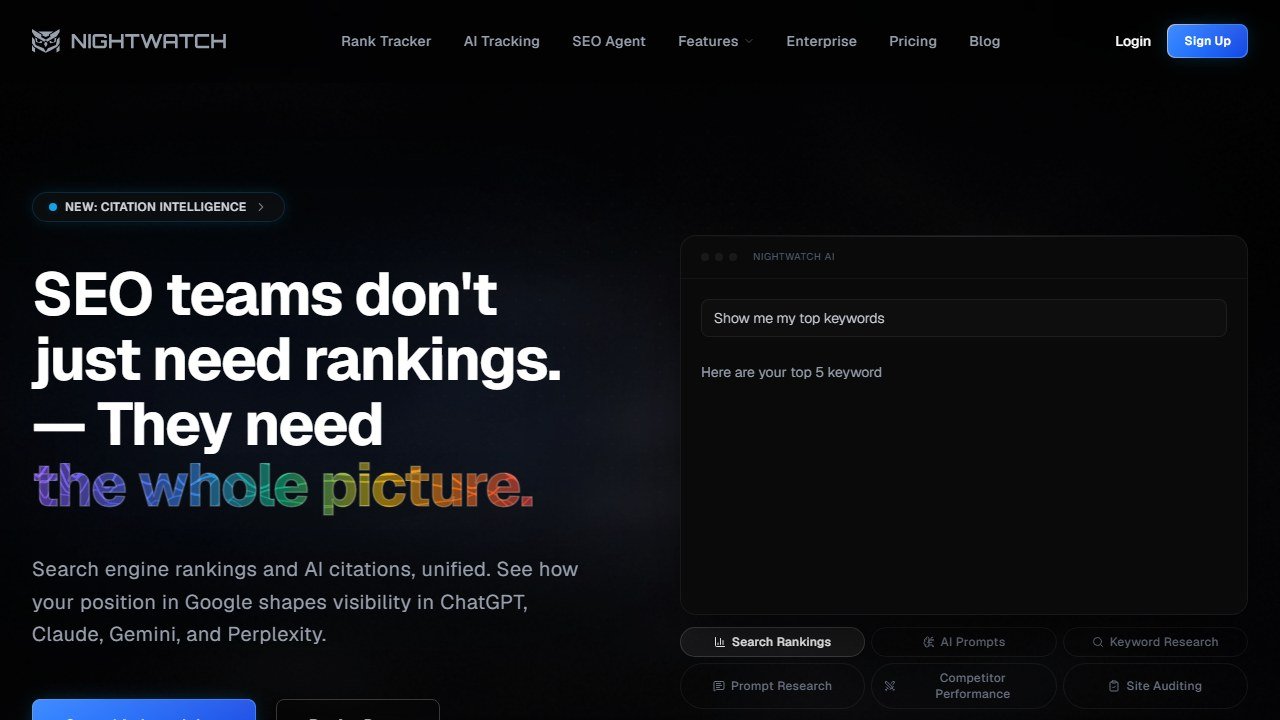
Nightwatch comes at the same problem from the other direction: it is a rank tracker first, known for clean reporting and modest pricing, with AI Mode monitoring layered onto the tracking you already run. It will not match a dedicated tracker for citation depth or sentiment, but for agencies that live in Nightwatch dashboards it adds the AI Mode answer to existing client reports without a second subscription. Both tools are the pragmatic middle of this guide: real AI Mode visibility attached to a tracker you may already be paying for.
For most teams already inside one of these ecosystems, the module is the sensible choice. It is rarely the deepest AI Mode tool on the market, but "good enough, already paid for, one dashboard" beats a second subscription for a lot of businesses. The honest caveat: a module added to a legacy product is sometimes a year behind a dedicated tracker on AI Mode specifics, so if AI Mode is mission-critical, audit the module's actual feature depth before assuming the suite has you covered.
Group three: cross-platform AI visibility trackers
AI Mode is one surface. If you also need to know how you show up in ChatGPT, Perplexity, Gemini, and Copilot, a cross-platform tool covers all of them at once, which matters because buyers increasingly research across several AI engines before they ever reach a Google search box.
Otterly.AI
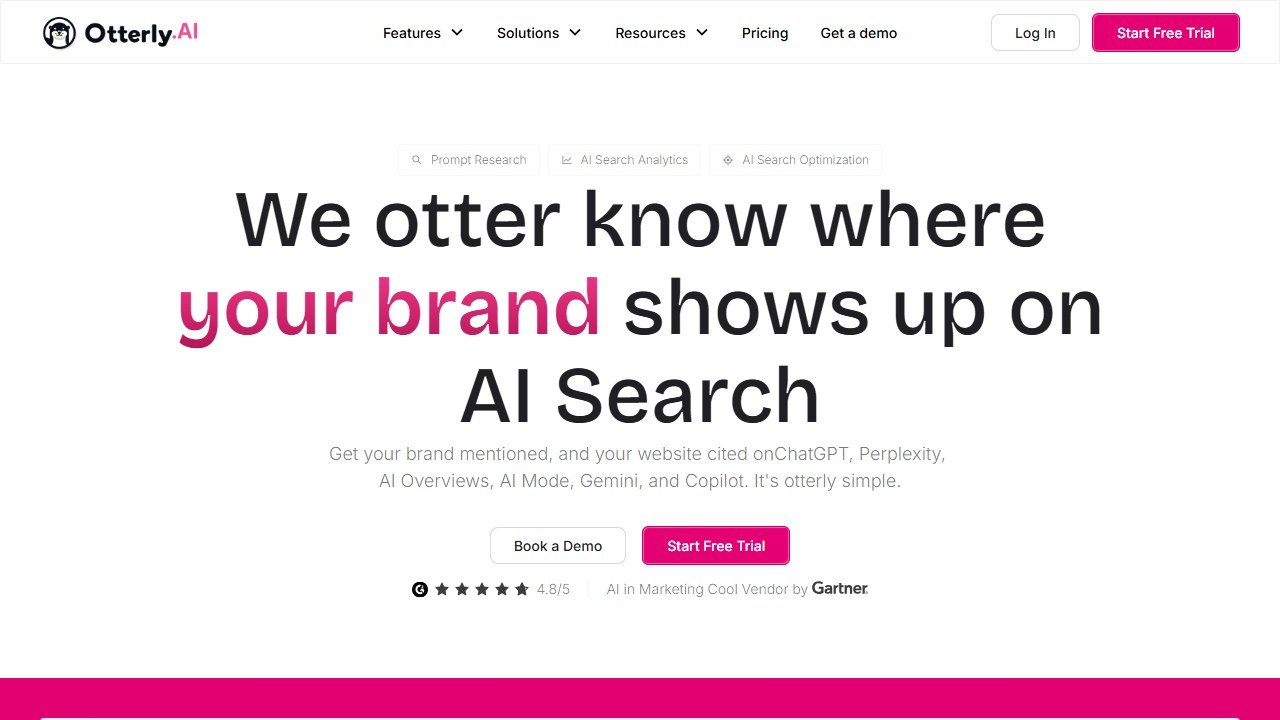
Otterly.AI tracks brand mentions and citations across ChatGPT, AI Overviews, Perplexity, and Copilot on its base plans, which start around $29 per month for a small prompt allowance and scale up through mid and premium tiers. Google AI Mode and Gemini are sold as add-ons rather than included in the base price, so factor that into the real monthly cost if AI Mode is the surface you care about most. Within its tier structure Otterly is one of the more accessible entry points into cross-platform tracking.
Peec AI
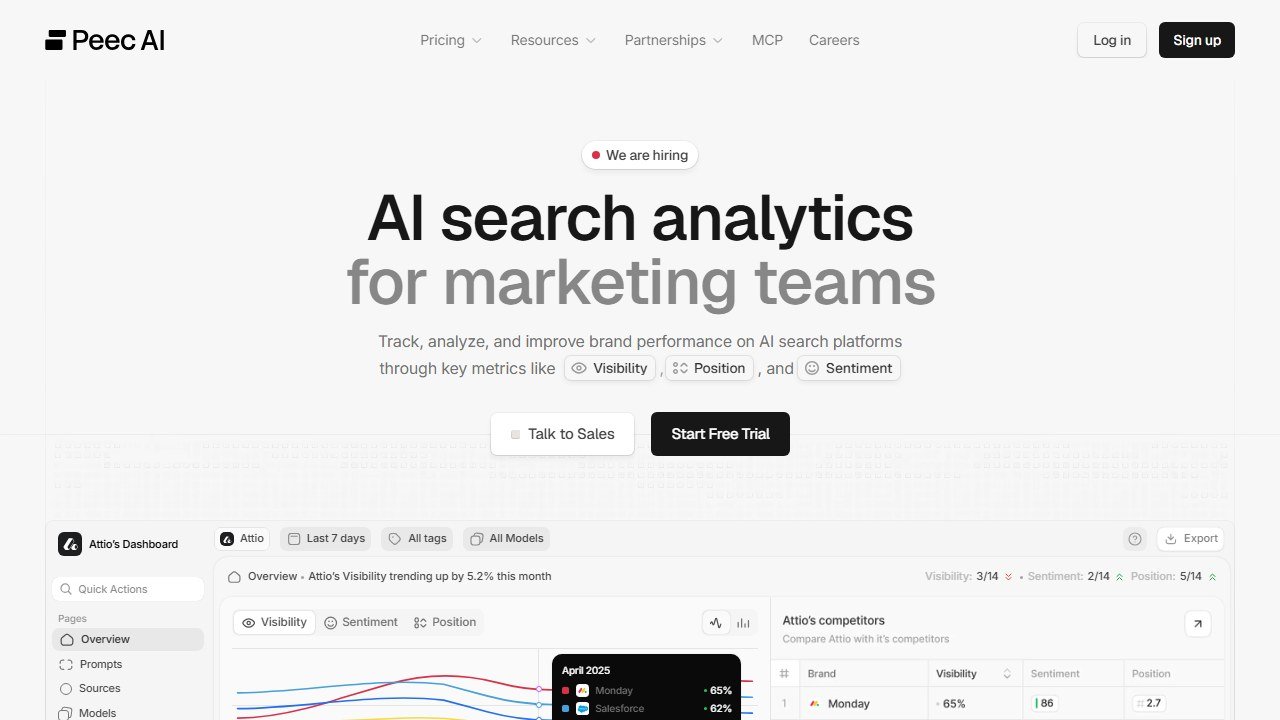
Peec AI is an agency-oriented platform covering AI Mode alongside several other engines, built more for teams managing visibility for multiple brands or clients than for a single-site owner. Its workspaces are organized around multiple brands with shared prompt sets and per-client reporting, which is why it shows up on agency shortlists far more often than solo ones. If you manage AI visibility for clients, it deserves a trial; if you run one site, the tools above will get you there for less.
Scrunch AI
Scrunch AI is one of the older platforms in a young category, which shows in its depth. It tracks prompts and citations across the major LLMs and includes an AI-friendly site-version generator, so it covers both the measuring and a slice of the fixing. Pricing is steep relative to the value tools: an Explorer tier around $100 per month covers ChatGPT tracking only, while the Growth tier near $500 per month opens up all engines, persona tracking, and multiple seats. It is built for teams treating AI visibility as a budgeted line item, not for a solo trial.
Profound
Profound is the enterprise end of the cross-platform group. It goes deep on answer analytics across AI Mode, ChatGPT, Perplexity, Copilot and more, reporting not just whether you are cited but how the conversation around your category is shaped and where competitors win the answer. The depth comes at an enterprise price, so it is overkill for a small site, but for a brand treating AI search as a strategic channel it is among the most thorough options here.
Choose this group if your real concern is "AI search visibility" broadly rather than Google AI Mode specifically. The trade-off is the mirror of group one: breadth across engines, sometimes less depth on any single one, and on some tools AI Mode arriving as a paid extra rather than a core feature.
Read the table as a starting shortlist, not a ranking. The right tool is the one whose engine coverage and price match the questions below.
How to check your AI Mode visibility for free, before you pay for anything
You do not need a subscription to get a first read on where you stand. Three free methods get you most of the way, and running them first tells you whether a paid tool is even worth it for your queries.
- Google Search Console, read carefully. Google does not break AI Mode out as its own report. Traffic from AI Mode and AI Overviews is folded into the "Web" search type in the Performance report, mixed in with ordinary results. So you cannot isolate an "AI Mode" number, but you can watch for its fingerprints: queries where impressions hold steady or climb while clicks fall away are often queries where an AI answer is now intercepting the click. Track those queries as your AI-pressure watchlist.
- The manual incognito test. Open an incognito window so your search history does not personalize the result, type your target query into Google, and see whether an AI Mode answer fires and who it cites. It is tedious and it only samples one moment, but it is the ground truth every paid tool is trying to automate. Run your ten most important queries this way once a month and you have a free, honest baseline.
- GA4 referral traffic. Your analytics will show referral sessions from AI engines when someone actually clicks through from an answer. That captures click-through, not citation, so it undercounts your true visibility, but a rising trickle of referrals from AI sources is a real signal that your content is being surfaced.
The honest limit: free methods tell you roughly where you stand on a handful of queries at a single moment. A paid tool earns its fee when you need to track many queries, on a schedule, with competitor share and the exact cited URLs spelled out. Start free, confirm there is something worth measuring, then pay for scale.
How to choose
Three honest questions settle it:
- Is AI Mode your only concern, or AI search broadly? Only AI Mode points to group one or two. Broadly points to group three. Just confirm that whichever cross-platform tool you pick includes AI Mode in the plan you are buying, not as a surcharge.
- Do you already pay for an SEO suite? If yes, try its AI Mode module before buying anything new. That is the cheapest viable answer for most teams, as long as the module's depth holds up to a real look.
- Do you need depth or coverage? A dedicated tracker gives depth on one surface; a cross-platform tool gives coverage across many. You rarely get both at once.
A fourth, quieter question: what is your prompt budget? Almost every tool here meters by prompts or credits, and the headline price assumes a small list. Tracking a real keyword set across several locations can move you up a tier or two fast. Before you commit, write down the prompts you actually need to monitor and price the plan that covers that number, not the plan on the homepage.
A simple way to test a paid tool before you buy
Once a tool passes the free-method sniff test and you are trialing the paid version, run a short pilot. Pick five to ten queries you genuinely care about, ones where you know roughly how you perform in normal search. Track them for two to three weeks across whatever tool you are trialing. Then check three things: does the tool correctly catch when AI Mode actually fires for those queries, does the cited URL it reports match what you see when you run the query yourself, and does the competitor list look like reality rather than noise. A tool that passes that small test on queries you understand can be trusted on the ones you do not. A tool that fails it will not get more accurate at scale.
What a real AI Mode SEO program tracks
A tool is only half the job. The measurement stack that actually matters in 2026 spans three layers that did not exist a few years ago. Layer one is classic SERP rankings, your positions on Google for target queries. Layer two is AI Overview citations, whether Google's AI Overviews name your domain when they answer. Layer three is AI Mode coverage, whether AI Mode and the other answer engines surface you when users ask the question your content answers. Most legacy tools cover layer one well and under-cover the other two, which is the whole reason this category exists.
Within those layers, four metrics predict AI search wins better than any vanity number. Citation frequency: how often your domain is cited across AI answers for your queries. Query coverage: what share of your target queries return an AI answer that includes you at all. Answer correctness: when you are cited, does the model represent you accurately or garble it, because a confident misquote can cost you more than no citation. And AI click conversion: clicks from AI answers behave differently from ordinary organic clicks, so track how they convert separately. The leading tools cover the first two cleanly, partially cover the third, and none of them owns the fourth, which still needs your own analytics. Build a monthly review that pulls all four and you have a real program rather than a dashboard you stop opening.
Three things behave differently in AI Mode than in classic SEO, and they should shape what you track. Freshness weighs heavier: AI engines lean toward recent content, so an old page with strong authority can lose the citation to a newer, thinner one. Off-page brand mentions matter more: how often you are talked about across the web feeds AI citations more than it ever moved classic rankings. And answer-first structure is now mandatory, not merely helpful: a clear summary up top, a definition near the top, and a question-and-answer block lower down are what make a page quotable inside an answer.
How AI Mode checking fits the rest of your SEO
This guide deliberately stays scoped to AI Mode checking. The wider toolkit for actually improving how you appear in AI search, the optimization side and not just the monitoring side, is covered in our roundup of the best AI SEO tools, and the broader question of brand presence across every AI engine in our guide to AI visibility tools. For the how-to of earning those citations, see our guide on showing up in Google AI Overviews and the broader GEO playbook.
The practical sequence is monitor, then optimize, then re-monitor. A checking tool tells you which queries you are missing inside AI Mode and which competitors are taking the citations. That list becomes your optimization brief: the pages to strengthen, the entities to clarify, the answers to make more directly quotable. Then the same tool tells you, over the following weeks, whether the work moved your citation share. Without the checking step, AI Mode optimization is guesswork. With it, you have a feedback loop, even if a noisy one.
The honest bottom line
AI Mode checking tools are genuinely worth using. If your search visibility matters, you now need to measure a surface your old tools cannot see. But the category is young, the vendor marketing is loud, and the underlying data is noisier than rank tracking ever was. Pick a tool by the scorecard, not the homepage. Read its numbers as trends. Confirm AI Mode is included in the plan you are buying rather than sold as an add-on. Start free, prove there is something worth measuring, and lean on the module in the SEO suite you already pay for before you add another subscription. Measured that way, AI Mode checking is a real and useful addition to an SEO toolkit. Bought on hype, it is just another dashboard you stop opening.
More AI tool guides worth reading: Prerender.io Alternatives.

Written by
FazFaz is the founder of AIToolsBakery. Every tool on this site is personally tested with real-world writing tasks before a single word gets published. No sponsored rankings, no recycled press releases.
Read more about how we test →Frequently Asked Questions