
A job description is the first thing a candidate reads about your company, and most of them are terrible. They are inflated, they are vague, they list twelve “requirements” that are really wishes, and they read like they were copied from a job posted in 2014. AI fixes the speed problem instantly: you can go from a hiring manager’s rough notes to a clean, structured draft in under a minute. That is the easy part, and it is also where most people stop, which is exactly why the internet is now full of AI-generated postings that all sound the same.
The real skill in 2026 is not generating a draft. It is running a repeatable workflow that starts from real information, checks the output for bias and inflated requirements, and keeps a human in the loop before anything goes live. Done well, AI writes job descriptions that are faster to produce, more inclusive, easier to read, and measurably better at converting views into applications. Done badly, it produces confident, generic, occasionally false boilerplate. This guide is the workflow that gets you the first outcome and the pitfalls that cause the second.
In short: Start from a real intake, not a blank prompt. Draft with AI, then run separate passes to remove biased language, right-size requirements, and improve clarity and searchability. Split must-haves from nice-to-haves, add screening questions, and always finish with a human review before publishing.
Faz says: The single biggest lever is the input, not the model. A prompt that says “write a job description for a marketing manager” gets you generic slop because you gave it nothing to work with. A prompt that includes the real reason the role exists, who it reports to, the three outcomes it owns in year one, and the actual salary band gets you something a candidate can picture themselves in. Garbage in, confident garbage out. Spend your effort on the intake, not on hunting for a magic prompt.
Saru says: AI will happily invent things it has no way of knowing: a salary range, a benefits package, a certification requirement, an equal-opportunity clause worded to sound legal. None of that is reliable. Treat every specific claim about pay, benefits, legal language, or compliance as a draft placeholder to verify with your HR or legal team before it ships. The tools named here change features and pricing often, so confirm current details on their official sites.
Why Write Job Descriptions With AI
Three concrete payoffs, in order of how much they matter.
Speed. This is the obvious one. A recruiter or hiring manager can turn a five-minute intake into a first draft in seconds, then spend their time editing judgment calls instead of staring at a blank page. For a team hiring across ten open roles, that is hours back every week.
Inclusivity. This is the underrated one. Job postings are riddled with subtly exclusionary language: masculine-coded words like “aggressive” and “dominant,” ableist phrasing, unnecessary jargon, and long requirement lists that research consistently shows deter qualified women and underrepresented candidates from applying. AI is very good at flagging and rewriting this language when you ask it to, and dedicated tools like Textio exist specifically to score and improve it.
Apply rate. Clearer, shorter, better-structured postings convert more views into applications. AI helps you cut the wall of boilerplate, lead with what the candidate actually wants to know (what the job is, what it pays, whether they can do it remotely), and structure the rest so it is skimmable. A posting that respects the reader’s time gets more of the right people to hit apply.
The catch is that all three benefits depend on how you use the tool. A lazy prompt gives up the inclusivity and apply-rate gains entirely. So here is the workflow.
The Workflow: Six Steps From Intake to Published
Step 1: Start from a real intake, not a blank prompt
Never ask AI to write a job description cold. The output will be a statistical average of every generic posting on the internet, which is precisely what you do not want. Instead, spend five minutes capturing real information from the hiring manager. At minimum you want:
- Why the role exists and what problem it solves
- Who it reports to and who (if anyone) it manages
- The three to five outcomes it owns in the first year
- The genuine must-have skills versus the nice-to-haves
- Salary band, location, and work model (remote, hybrid, onsite)
- Anything that makes this team or company actually distinctive
You can capture this in a quick conversation, a shared form, or automatically. Interview-intelligence tools like Metaview can transcribe and summarize the intake meeting so the notes become your AI input directly. However you gather it, this raw material is the difference between a description that sounds like you and one that sounds like everyone.
Step 2: Draft from the intake
Feed the intake notes to your AI tool of choice and ask it to produce a structured first draft. A general model like ChatGPT works well here, as does the AI writing built into a modern ATS like Workable. Ask for a specific structure (role summary, what you will do, what we are looking for, about the team, logistics) rather than accepting whatever shape the model defaults to. The first draft is a starting point, not a finished product.
Step 3: Check for bias and inclusive language
Run a dedicated pass whose only job is inclusivity. Ask the AI to flag masculine-coded, ableist, ageist, or otherwise exclusionary wording and to suggest neutral alternatives, and to flag jargon that would confuse someone outside your company. This is worth doing as its own step rather than rolling it into the draft, because a focused prompt catches far more than a general “make it good” instruction. If inclusivity is a priority for your org, a specialized scorer like Textio adds a measurable, auditable layer on top of the general model.
Step 4: Optimize for clarity and searchability
Two things happen in this pass. First, clarity: cut the boilerplate, shorten sentences, lead with what candidates care about, and make the whole thing skimmable. Second, searchability: make sure the actual job title people search for is in the title (candidates search “software engineer,” not “coding ninja”), and that relevant skills and terms appear naturally in the body so the posting surfaces on job boards and search. This is real SEO for job postings, and it directly affects how many qualified people ever see the role.
Step 5: Structure must-haves versus nice-to-haves
This is the step that most improves apply rate, and AI makes it easy. Ask the model to split every requirement into two clearly labeled lists: genuine must-haves without which someone cannot do the job, and nice-to-haves that are a bonus. Then challenge the must-haves. If “must-have” has ten items, it is really a wish list, and it will scare off strong candidates who meet eight of them. A short, honest must-have list is one of the highest-leverage changes you can make to any posting.
Step 6: Human review before publishing
AI never gets the final word. A human who knows the role reads the whole thing and checks four things: every fact is true (especially pay, benefits, and any legal or compliance language), the tone matches your brand, the requirements are genuinely the requirements, and nothing generic slipped through. This is also where you confirm the equal-opportunity statement and any location-specific pay-transparency language with the people qualified to approve it. Ten minutes here prevents the two worst outcomes: a posting that misrepresents the job and a posting that all your competitors could have written.
Copy-Paste Prompt Library
Adapt the bracketed parts. Each prompt is designed to do one job well, which works far better than one giant prompt trying to do everything.
1. Generate a draft from intake notes
You are an expert recruiter writing an inclusive, engaging job description.
Use ONLY the intake notes below. Do not invent salary, benefits, or
requirements I did not provide; if something is missing, insert a clearly
marked [TO CONFIRM] placeholder instead of guessing.

Structure the output as: Role summary (2 sentences) / What you'll do
(5-6 bullets) / What we're looking for / About the team / Logistics
(location, work model, pay band).

Intake notes:
[paste the reason the role exists, reporting line, first-year outcomes,
must-have and nice-to-have skills, salary band, location, work model,
and what makes the team distinctive]
2. Rewrite for inclusivity
Review the job description below for exclusionary language. Flag any
masculine-coded words (e.g. aggressive, dominant, rockstar, ninja),
ableist or ageist phrasing, and unnecessary jargon. For each flag, show
the original phrase and a neutral rewrite. Then give me the full revised
version. Do not add any new requirements.

[paste description]
3. Right-size the requirements
Split every requirement in this job description into two labeled lists:
"Must-haves" (genuinely essential to do the job) and "Nice-to-haves"
(a bonus). Be strict: move anything that is really a preference into
nice-to-haves. If the must-have list has more than 6 items, tell me which
ones I should reconsider and why. Return the revised requirements section.

[paste description]
4. Tighten for clarity and searchability
Edit this job description to be clearer and more skimmable. Cut boilerplate
and filler, shorten long sentences, and lead with what a candidate most
wants to know. Keep the searchable job title people actually use in the
title and headings, and make sure the core skills appear naturally in the
body. Do not change any facts. Return the edited version and a one-line
note on what you cut.

[paste description]
5. Add screening questions
Based on this job description, write 4-5 application screening questions
that separate qualified candidates from unqualified ones. Focus on the
real must-haves. Avoid questions that could introduce bias (age, family
status, etc.). For each question, note what a strong answer looks like.

[paste description]
Pitfalls to Avoid
Generic boilerplate. The default failure mode. If your posting could describe the same role at any company, the AI wrote it from a blank prompt and nobody fixed it. The intake step is the cure. Specificity is the whole point.
Inflated requirements. AI is happy to generate a ten-item must-have list because that is what it has seen. Left unchecked, it produces postings that demand a senior skill set for a mid-level salary and deter the exact people who would thrive. Always run the must-have versus nice-to-have split and cut hard.
Biased language. AI is trained on existing job postings, which are themselves full of biased language, so it will reproduce it unless you explicitly ask it not to. Never assume the draft is neutral. Run the dedicated inclusivity pass every time.
Hallucinated legal, pay, and compliance claims. This is the dangerous one. AI will confidently write a salary range, a benefits list, an equal-opportunity statement, or a compliance clause that is plausible and wrong. In markets with pay-transparency laws, a made-up range is a real problem. Every fact about pay, benefits, and legal language must be provided by you or verified by a human, never trusted from the model.
Keyword stuffing. Optimizing for searchability tips into abuse fast. A posting crammed with repeated keywords reads badly to humans and can be penalized by job boards. Include the terms candidates search for, naturally, once or twice, and stop. Write for the person, then check for the search.
Tool Pointers
You do not need a specialized tool to do this well. A capable general model like ChatGPT handles the entire workflow above if you give it good intake notes and run the passes as separate prompts. That is the cheapest, most flexible starting point.
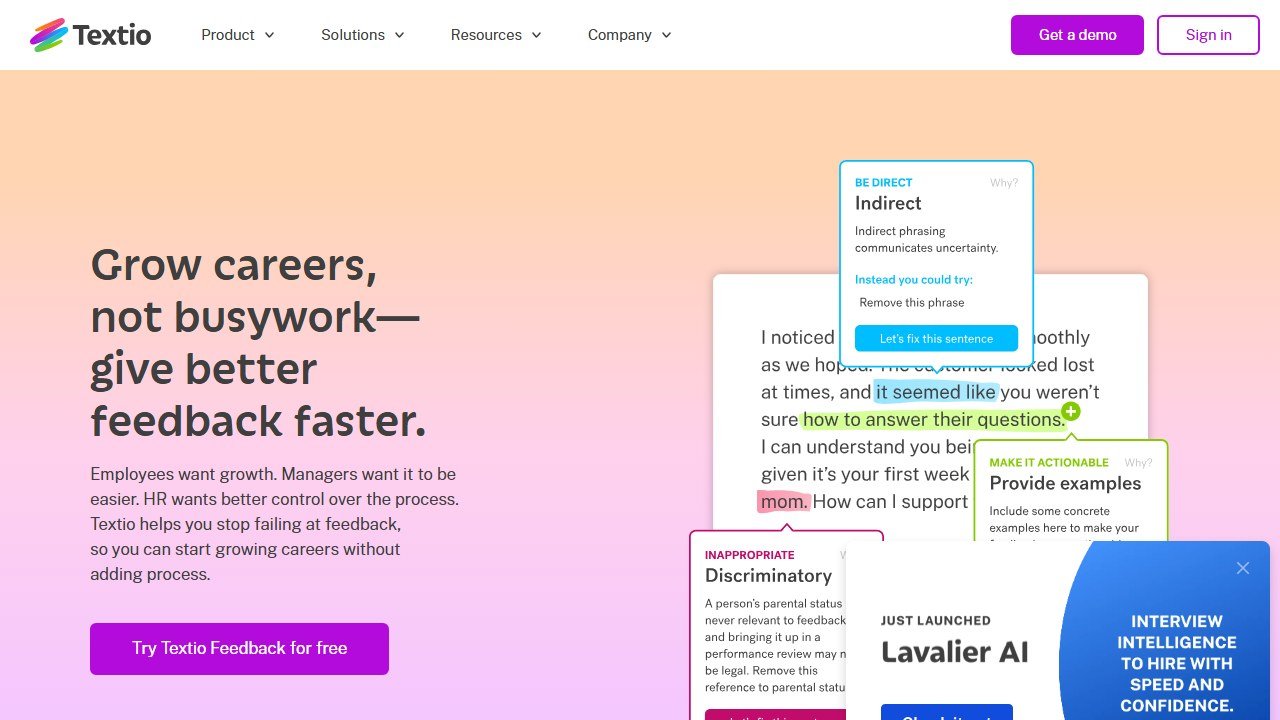
If you want more, layer in specialists. Textio scores and improves language for inclusivity and effectiveness, with a measurable, auditable trail that larger or more regulated teams value. Metaview captures and summarizes the intake conversation so your AI input is richer from the start. And if you would rather keep everything in one place, a modern applicant tracking system like Workable bakes AI job-description generation into the same tool that posts the role and collects applications.
For a full comparison of dedicated tools built for this exact job, see our best AI job description generators roundup. To go one step further down the funnel, our guide on how to screen resumes with AI covers what happens after the applications arrive, and our best AI recruiting software and best applicant tracking systems guides map the wider hiring stack.
The Bottom Line
AI turns job-description writing from a dreaded blank-page task into a fast, repeatable process, but only if you run it as a process. The speed is free; the quality is not. Start from a real intake so the output sounds like your company and not the internet’s average. Run separate passes for inclusivity, right-sized requirements, and clarity, because focused prompts beat one giant instruction every time. Split must-haves from nice-to-haves to protect your apply rate. And finish with a human who verifies every fact about pay, benefits, and legal language, because that is exactly where AI is most confident and least reliable.
Get the workflow right and you ship postings that are faster to produce, more inclusive, and better at converting the right candidates. To pick a dedicated tool, start with our best AI job description generators guide, then see how to screen resumes with AI for the next step in the pipeline.

Written by
FazFaz is the founder of AIToolsBakery. Some tools here are tested hands on. Others are assessed from vendor documentation and pricing verified on the live page, and every review says which one it is. Sponsors can buy a position in a guide. They cannot buy the score, the criticism, or silence about a better option.
How we test and how we make money →