Quick answer: The best AI tools for HR in 2026 depend on the function you need to fix. For recruiting, HireVue and Paradox lead. For HR operations and employee service, Leena AI and Deel AI. For performance management, Lattice and Culture Amp. For onboarding, Sapling and Enboarder. There is no single best AI HR tool, there is a best tool for each HR function. Below we break down 10 tested picks by what they actually do.
The strongest AI tools for HR in 2026: HireVue for video interviewing, Paradox for high-volume conversational recruiting, Eightfold for talent intelligence, Leena AI for the HR service desk, Deel for global payroll and compliance, and Lattice for performance management. Four more, including Culture Amp and Textio, are compared in full below.
The 10 best AI tools for HR in 2026 at a glance
| Tool | Best for | Starting price |
|---|---|---|
| HireVue | AI video interviewing | Custom (~$35K/yr) |
| Paradox | Conversational recruiting | Custom |
| Eightfold AI | Talent intelligence | Custom (enterprise) |
| Leena AI | HR service desk | Custom |
| Deel AI | Global HR and payroll | From $49/contractor/mo |
| Lattice | Performance management | From $11/seat/mo |
| Culture Amp | Engagement analytics | Custom |
| Sapling | Employee lifecycle | Custom |
| Enboarder | Onboarding journeys | Custom |
| Textio | Inclusive job descriptions | Custom |
HR software is no longer a single category. In 2026 the function splits into recruiting, operations, performance, and onboarding, each with its own AI leaders. The agentic AI shift (autonomous AI that plans and acts across HR workflows) has moved from hype to reality, with roughly half of large companies already running agentic AI in HR functions. This guide is organized by function so you can find the right tool for the problem you actually have.
For the strategic layer above day to day HR work, headcount forecasting, scenario modeling, and org design, see our dedicated roundup of AI workforce planning tools.
Best AI tools for HR: recruiting and hiring
1. HireVue: best for AI video interviewing
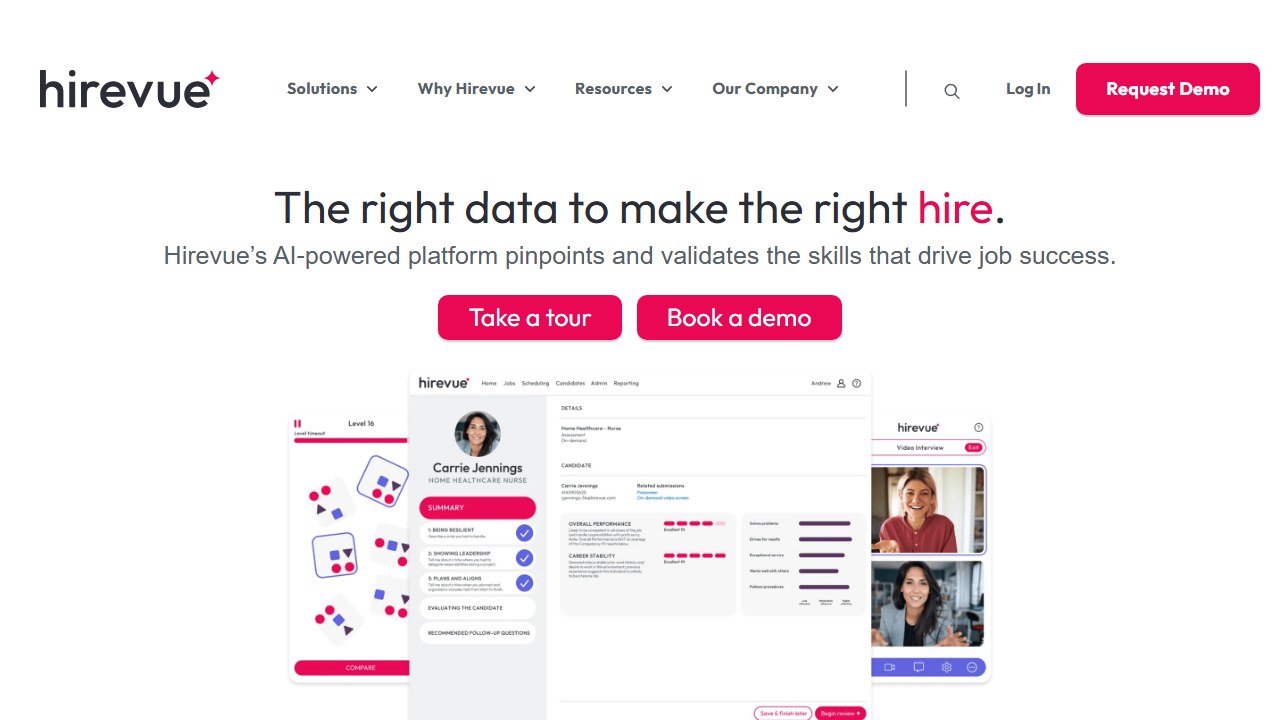
HireVue is the category leader in AI-powered video interviewing and assessment. It records candidate interviews, runs structured assessments, and produces ranked shortlists based on competency scoring. For high-volume hiring (retail, hospitality, call centers, campus recruiting), HireVue compresses the screening funnel dramatically.
The 2026 product leans into game-based and structured assessments rather than the controversial facial-analysis features it retired in prior years. The bias-mitigation and compliance posture has improved, which matters given the regulatory scrutiny on AI hiring. Best for enterprises hiring at scale who need consistent, auditable screening.
Pricing is custom, typically starting around $35,000/year for mid-to-large deployments. Not built for SMBs.
2. Paradox (Olivia): best for conversational recruiting
Paradox and its conversational AI assistant Olivia automate the high-volume recruiting workflow: candidate screening, interview scheduling, and FAQ handling via chat and text. For frontline and hourly hiring where speed-to-interview wins candidates, Paradox is the standout.
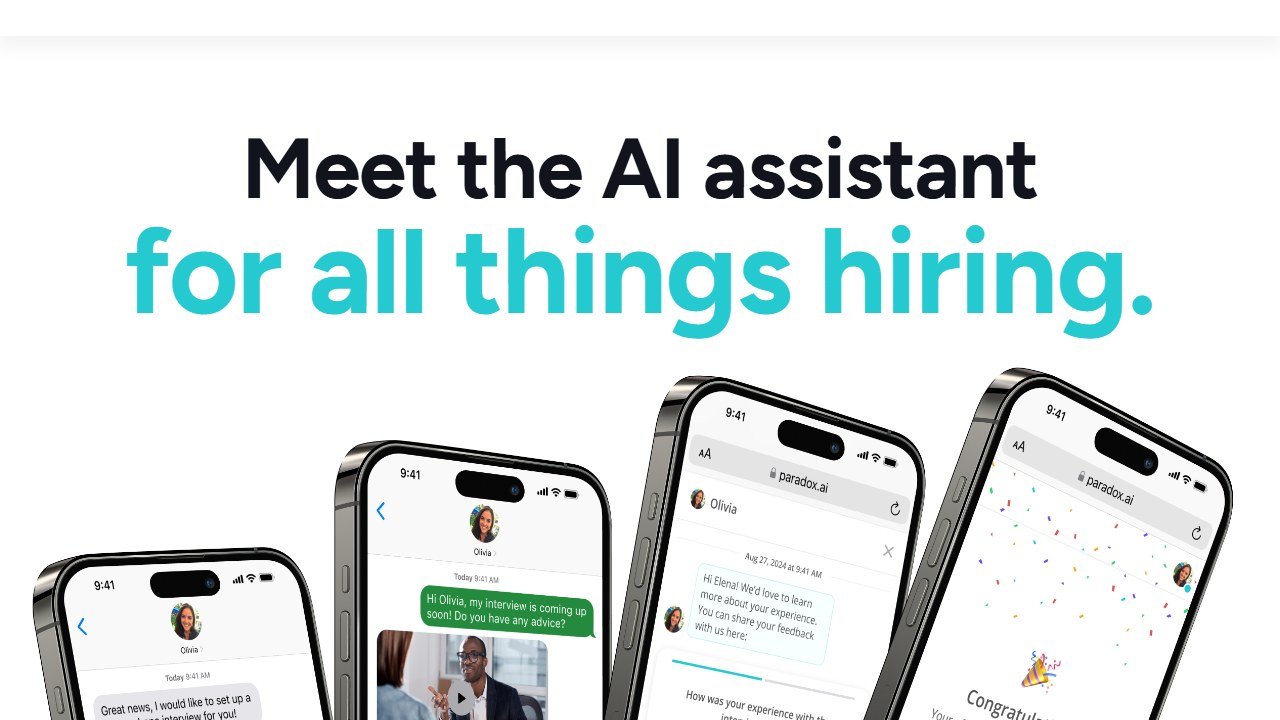
Olivia handles scheduling autonomously, which removes the single biggest bottleneck in high-volume recruiting. Enterprises like McDonald’s and Unilever have used Paradox to cut time-to-hire substantially. Best for high-volume, frontline, and campus hiring. Custom enterprise pricing.
3. Eightfold AI: best for talent intelligence
Eightfold AI is the talent intelligence platform, using AI to match candidates to roles based on skills and potential rather than keywords, and to surface internal mobility opportunities. For large enterprises focused on skills-based hiring and internal talent marketplaces, Eightfold is the deepest option.
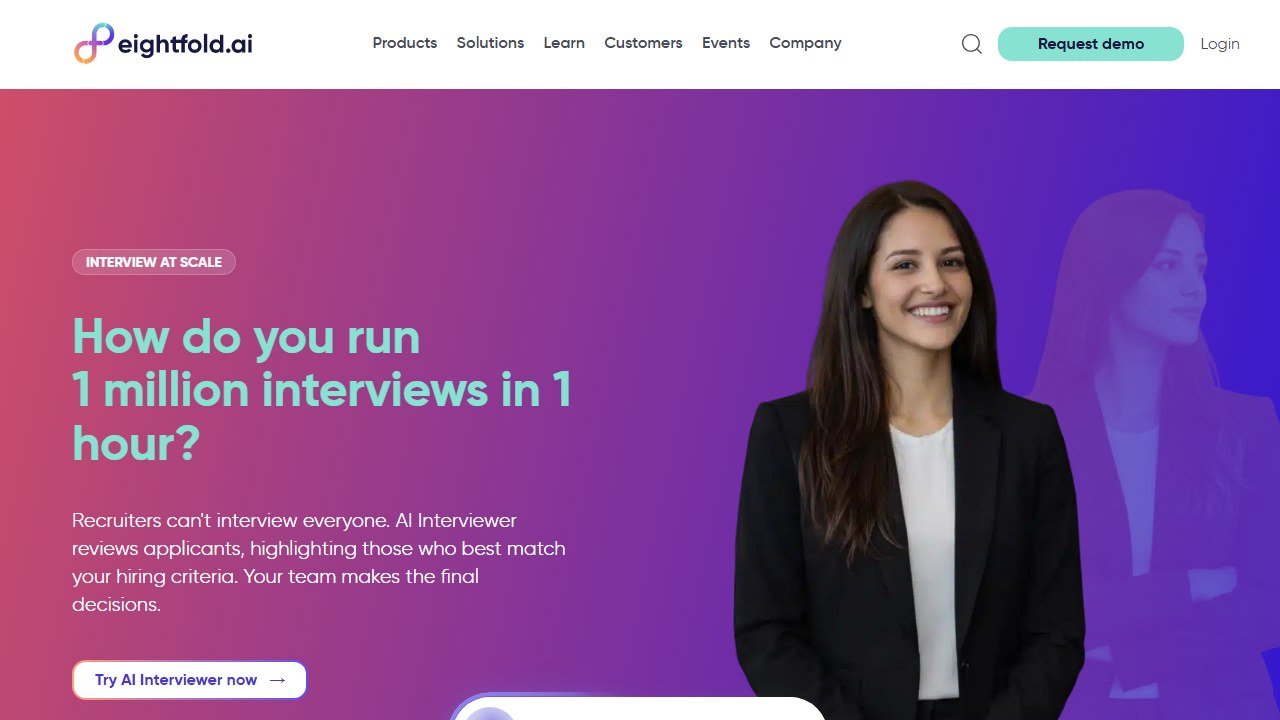
The internal mobility feature is the differentiator: Eightfold surfaces existing employees who could fill open roles, reducing external hiring costs. Best for enterprises with 1,000+ employees building skills-based talent strategies. Custom enterprise pricing.
For more recruiting-specific options including free tools, see our free AI recruiting tools guide.
For a deeper dive on the recruiting side, see our full rankings of the best applicant tracking systems and the best AI tools for staffing agencies.
Best AI tools for HR: operations and employee service
4. Leena AI: best for HR service desk
Leena AI is the autonomous HR service desk, an AI agent that answers employee questions about policies, benefits, payroll, and leave without routing to a human. For HR teams drowning in repetitive employee queries, Leena deflects the bulk of tier-1 tickets.
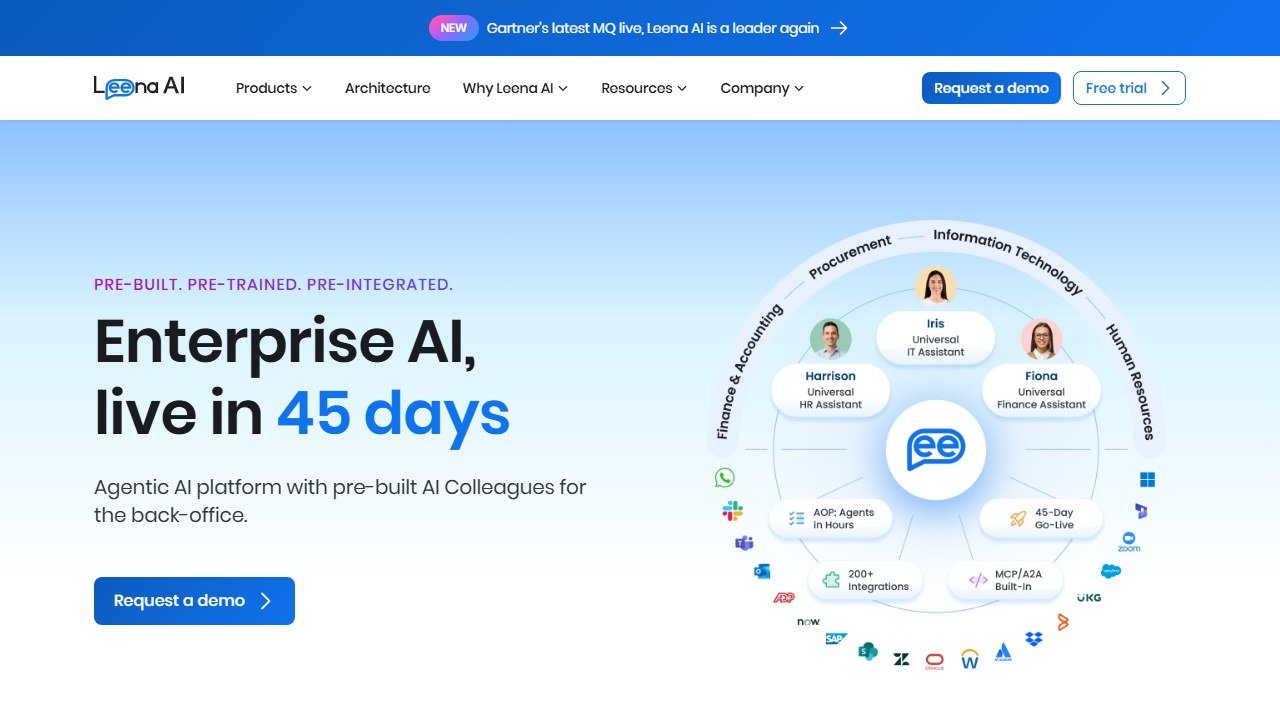
The 2026 agentic version goes beyond Q&A into action: it can execute workflows like initiating leave requests or updating personal details. Best for mid-to-large companies (500+ employees) where HR query volume justifies the platform. Custom pricing.
5. Deel AI: best for global HR and compliance
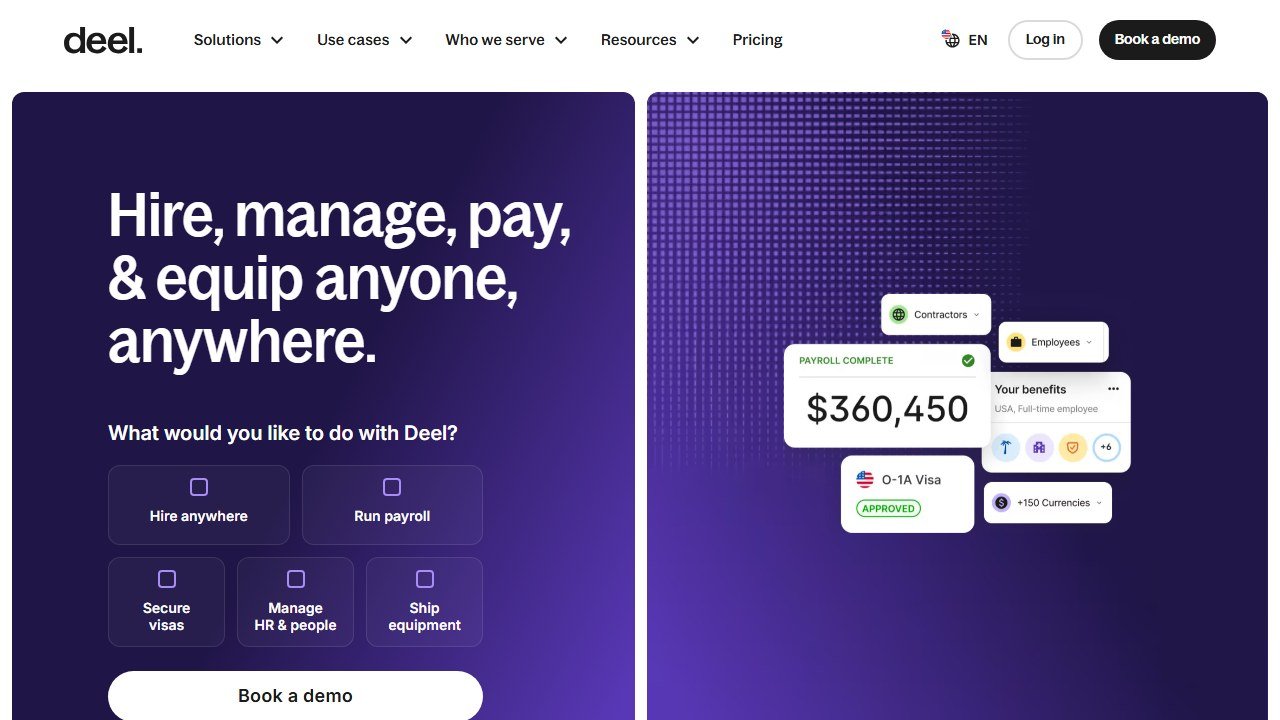
Deel is the global HR, payroll, and compliance platform, and its Deel AI layer answers questions about local labor laws, payslips, and team insights across 150+ countries in real time. For companies hiring internationally, Deel AI removes the compliance guesswork.
Deel AI is trained by HR and compliance experts and pulls directly from your people data, so answers are specific to your workforce rather than generic. Best for companies with distributed or international teams. Starts around $49/contractor/month for the core platform, AI features layered on top.
If you want an all-in-one system of record, compare the best HRIS software ranked by company size.
Best AI tools for HR: performance and engagement
6. Lattice: best for performance management
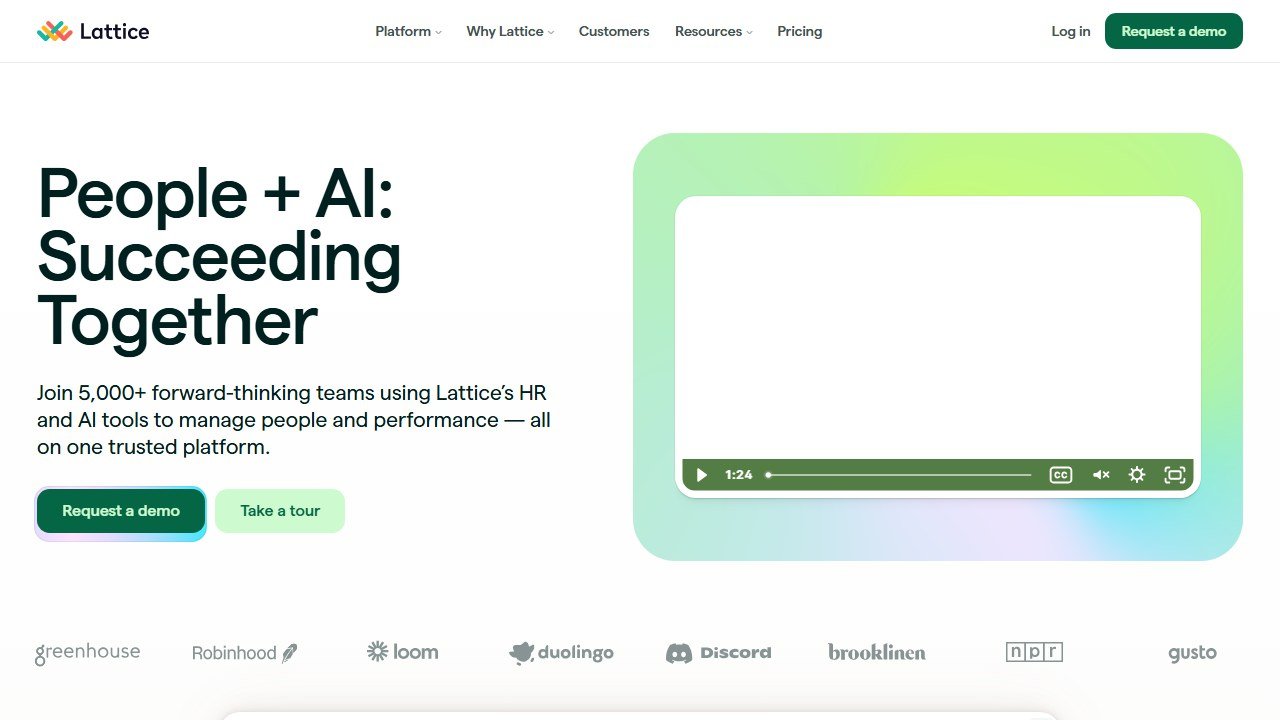
Lattice is the performance management platform, and its AI agent functions as an always-on HR partner: taking meeting notes, providing management guidance based on team data, and powering AI-assisted performance reviews, survey insights, and personalized growth plans.
Lattice’s AI features (review drafting, feedback analysis, sentiment surfacing) genuinely reduce manager admin time. Best for growing companies (50-2,000 employees) building a structured performance culture. Starts around $11/seat/month, with AI features in higher tiers.
7. Culture Amp: best for engagement analytics
Culture Amp is the employee engagement and experience platform, using AI to analyze survey responses, surface themes from open-text feedback, and predict attrition risk. For people teams that want to understand engagement at scale, Culture Amp’s analytics are the deepest in the category.
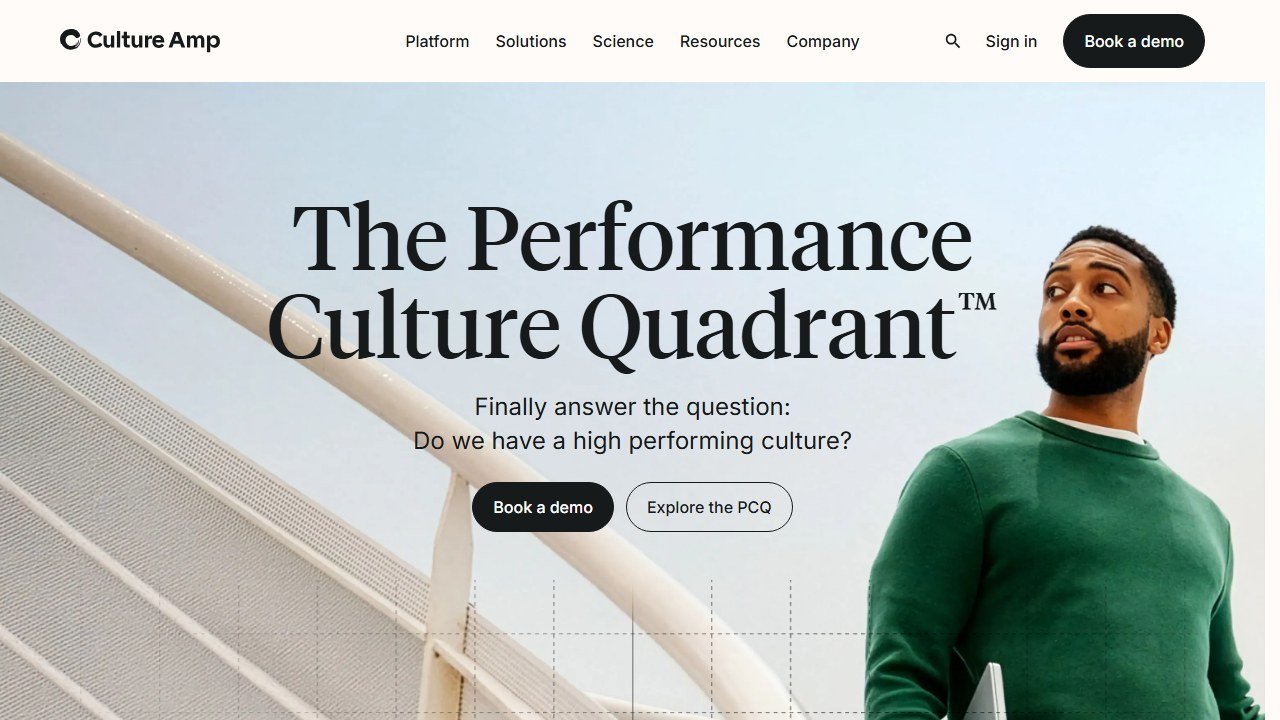
The AI-driven text analysis on open-ended survey responses is the standout, turning thousands of free-text comments into actionable themes. Best for mid-to-large companies investing seriously in employee experience. Custom pricing.
Go deeper with our guides to the best AI performance management software and the best employee engagement software.
Best AI tools for HR: onboarding and lifecycle
8. Sapling (Kallidus): best for employee lifecycle
Sapling (now part of Kallidus) handles the full employee lifecycle from offer acceptance through offboarding, with a particularly strong onboarding module for companies with multiple employee types, departments, or locations. AI assists with workflow automation and task routing.
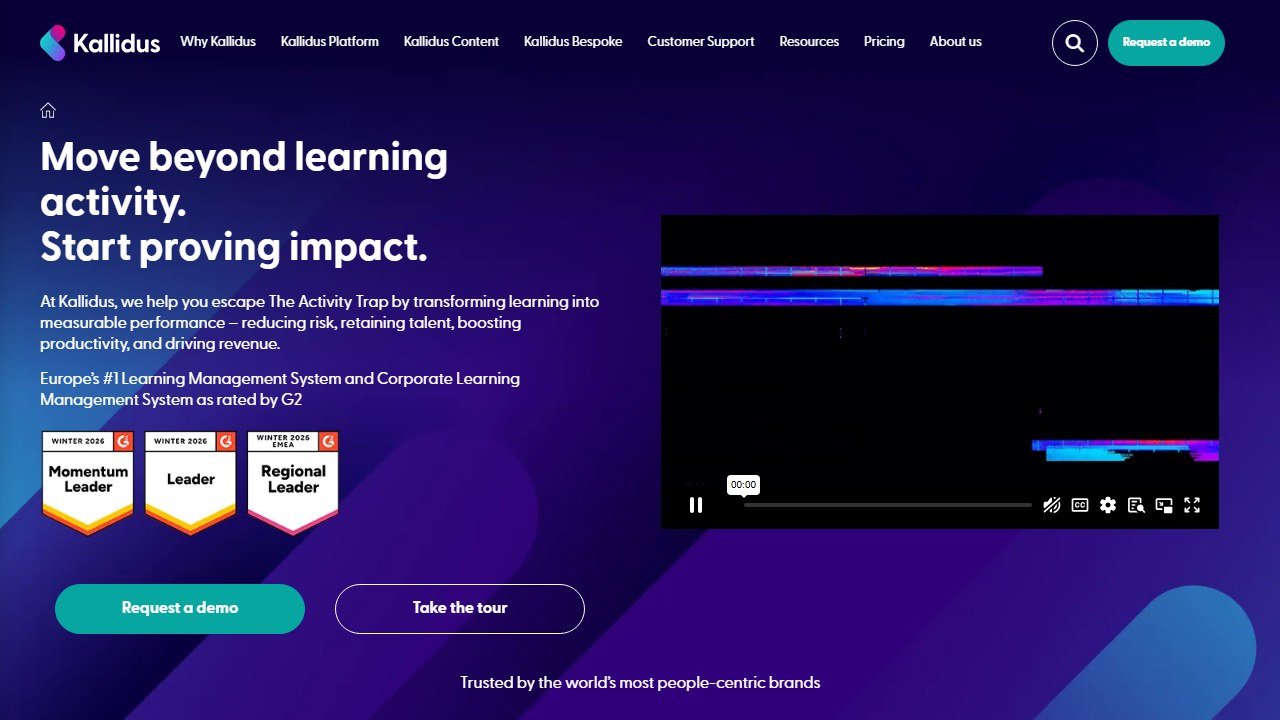
Best for distributed companies with complex onboarding needs (multiple roles, locations, or employment types). Custom pricing. For onboarding-specific options, see our best AI onboarding tools guide.
9. Enboarder: best for onboarding journeys
Enboarder focuses on experience-driven onboarding, building engaging journeys for new hires with automated nudges, manager prompts, and milestone tracking. Where Sapling is lifecycle-broad, Enboarder is onboarding-deep. AI personalizes the journey based on role and team.
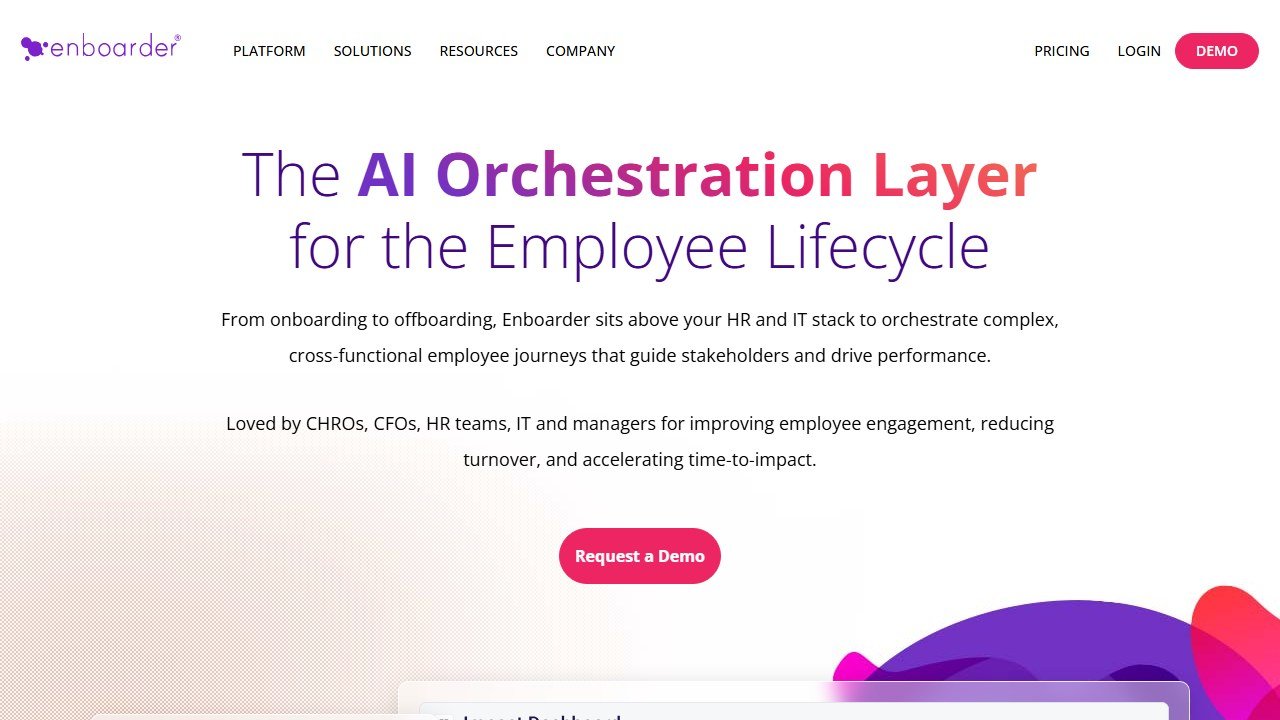
Best for companies that treat onboarding as an experience and retention lever rather than a checklist. Custom pricing.
Best AI tools for HR: job descriptions and writing
10. Textio: best for inclusive job descriptions
Textio uses AI to analyze and improve job descriptions and performance feedback for inclusivity, bias, and effectiveness. It flags biased language, predicts which phrasings attract more diverse applicants, and improves the quality of written HR communications.
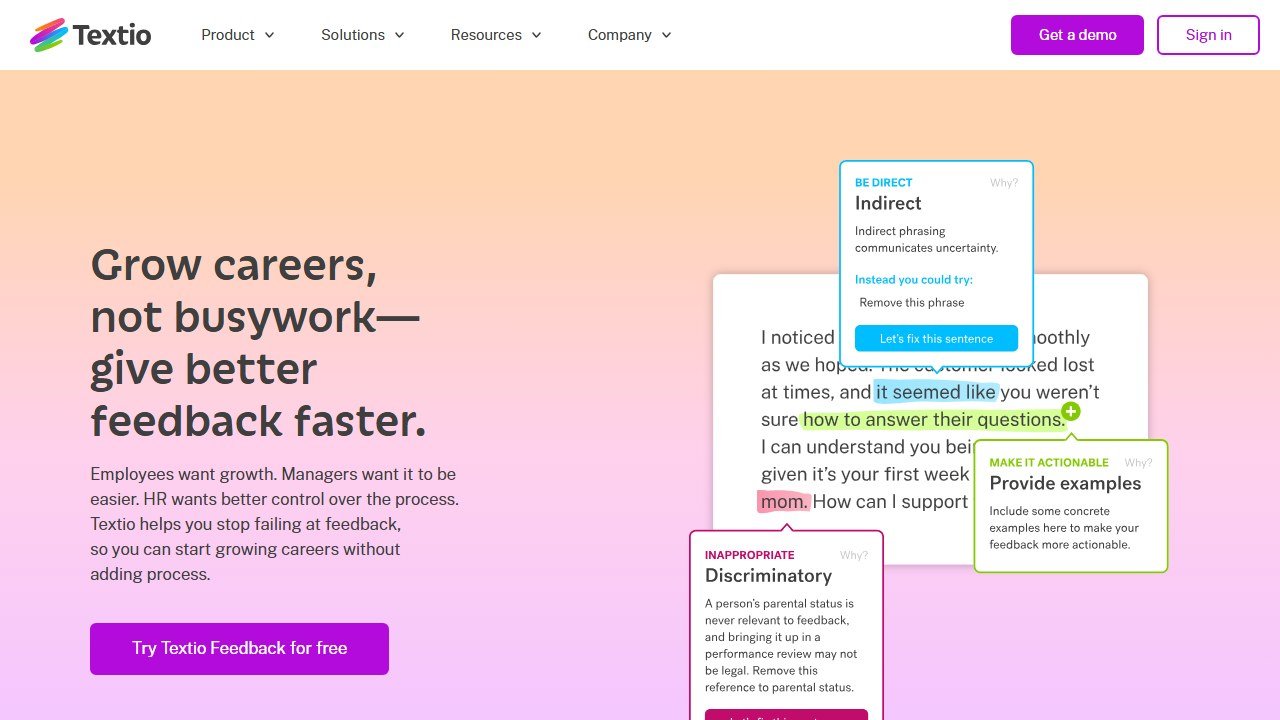
For companies serious about inclusive hiring and bias-aware writing, Textio is the specialist. Best for talent and people teams focused on DEI outcomes in written communications. Custom pricing.
To write roles faster, see the best AI job description generators and our guide to writing job descriptions with AI.
How to pick the right AI HR stack for your team
Map your team size and biggest bottleneck to the right starting point:
Startup (under 50 employees): You do not need an AI HR suite yet. Start with Deel (if international) or Lattice (for performance) and add tools as specific bottlenecks emerge. Most AI HR tools are overkill at this size.
Mid-market (50-500 employees): Pick by your biggest pain. High-volume hiring means Paradox or HireVue. Performance and engagement means Lattice plus Culture Amp. Onboarding complexity means Sapling or Enboarder.
Enterprise (500+ employees): Build a stack across functions. Eightfold for talent intelligence, Leena for HR service desk, Lattice or a deeper HCM for performance, plus function-specific tools. Integration with your core HCM (Workday, SAP SuccessFactors) matters most at this scale.
International teams (any size): Deel is the near-mandatory foundation for global payroll and compliance. Layer function-specific AI tools on top.
The verdict for 2026
There is no single best AI tool for HR, there is a best tool for each HR function. For recruiting, HireVue (video interviewing) and Paradox (conversational, high-volume) lead. For talent intelligence, Eightfold. For HR operations, Leena AI (service desk) and Deel AI (global compliance). For performance, Lattice and Culture Amp. For onboarding, Sapling and Enboarder. For inclusive writing, Textio. Pick by your biggest bottleneck, prove the ROI, then expand the stack.
For recruiting-specific tools including free options, see our free AI recruiting tools guide. For onboarding-specific picks, our best AI onboarding tools guide. For AI tools beyond HR, browse our full AI tools library.
Hiring is where most HR teams feel AI first. For the recruiting side specifically, see our ranked guide to the best AI recruiting software, plus the deep dives on AI resume screening tools, AI sourcing tools, and AI interview tools.
More AI tool guides worth reading: Bullhorn Review, Best Employee Engagement Software and Best AI Performance Management Software.

Written by
FazFaz is the founder of AIToolsBakery. Some tools here are tested hands on. Others are assessed from vendor documentation and pricing verified on the live page, and every review says which one it is. Sponsors can buy a position in a guide. They cannot buy the score, the criticism, or silence about a better option.
How we test and how we make money →